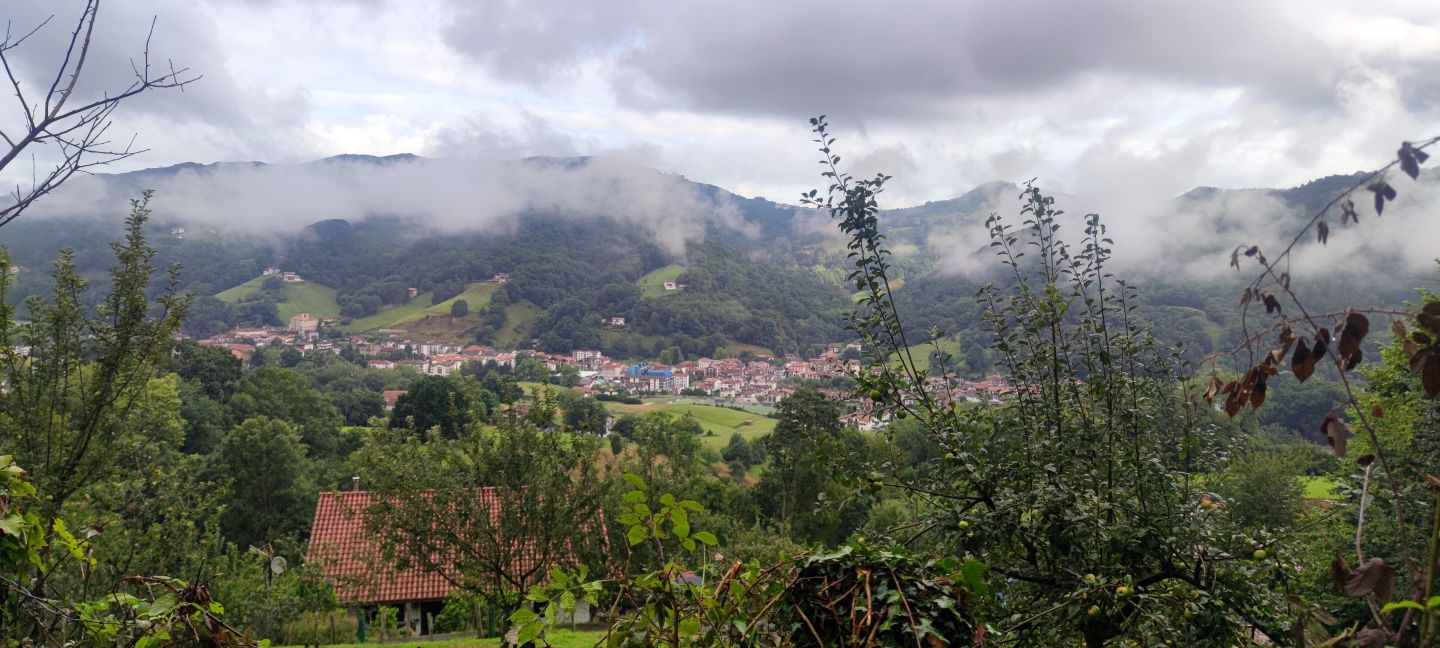
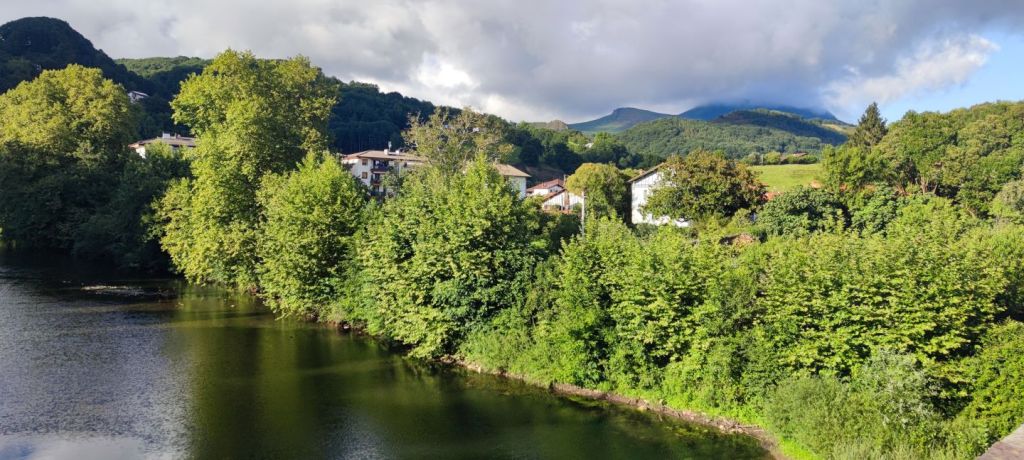
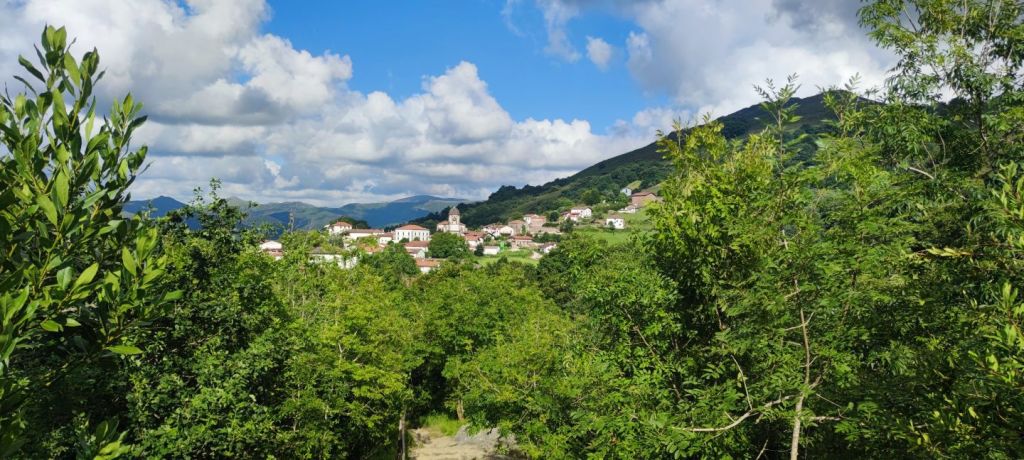
In the far north of Navarre, very close to the border with France and the Basque Country, lies Bera de Bidasoa, a picturesque municipality that combines history, tradition, and nature in a privileged setting. Surrounded by green mountains and crossed by the Bidasoa River, this town is known for its beautiful old houses, its remarkable architectural heritage, and the many outdoor activities it offers.
A WALK THROUGH THE OLD TOWN AND ITS MONUMENTS
Bera de Bidasoa has a history linked to its strategic position. Its location, in a natural pass between Navarre, France, and Gipuzkoa, made it a key point for trade and also the scene of military conflicts. During the Middle Ages, it was an important border stronghold and, in later centuries, participated in commercial exchanges related to ironworking and agriculture.
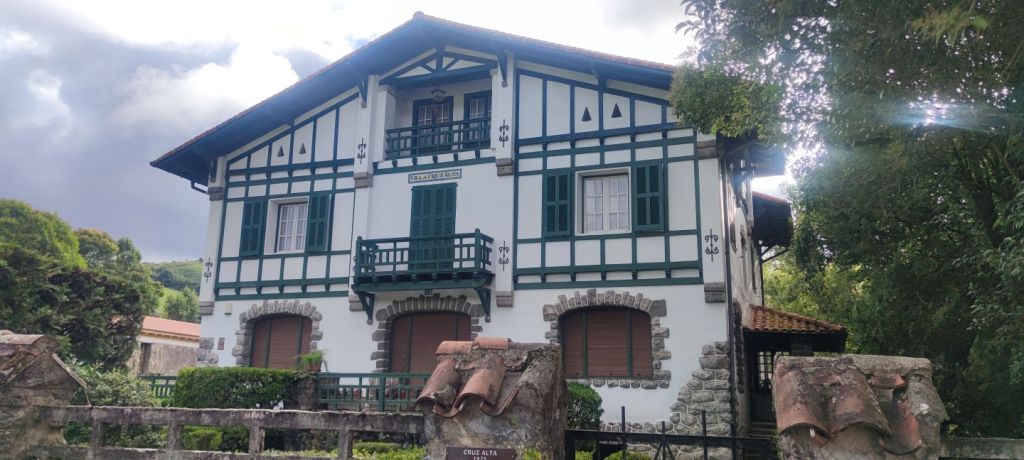
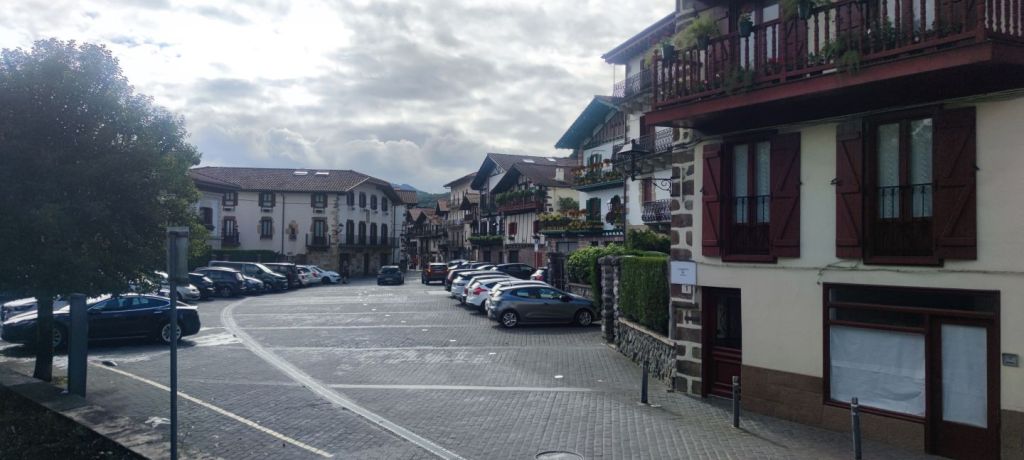
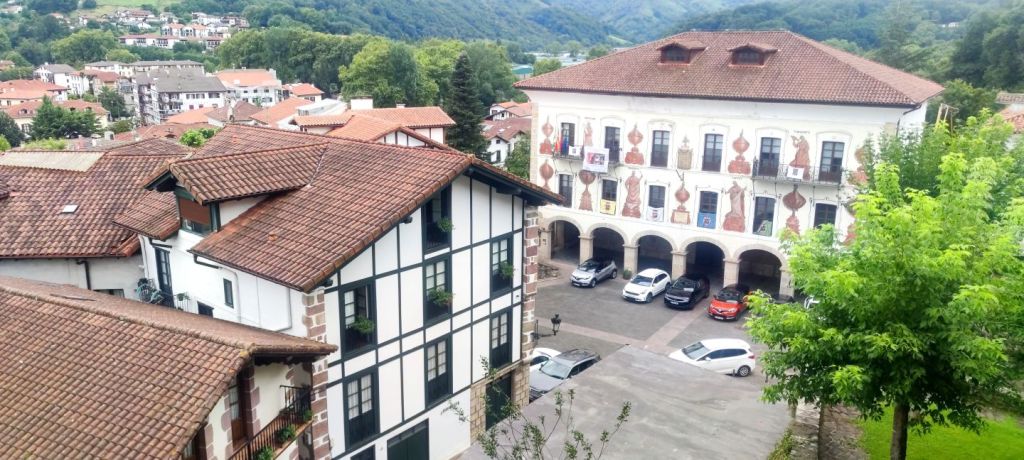
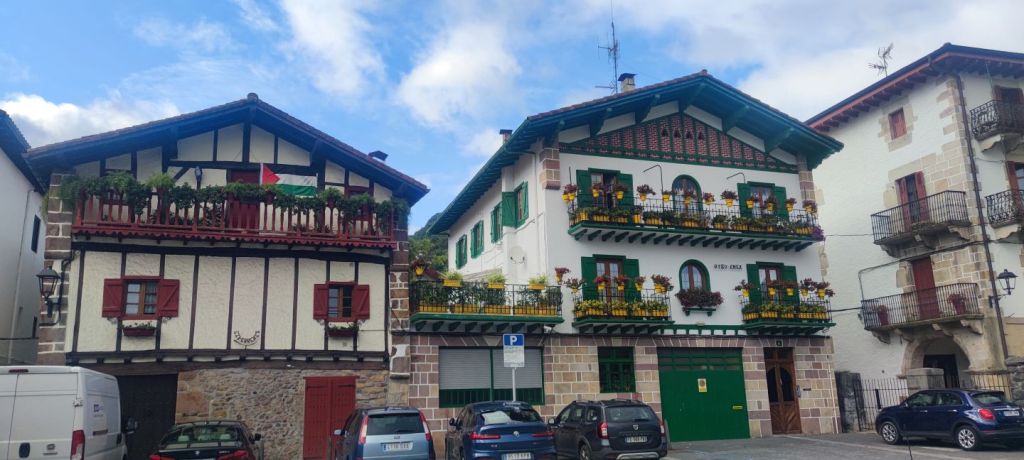
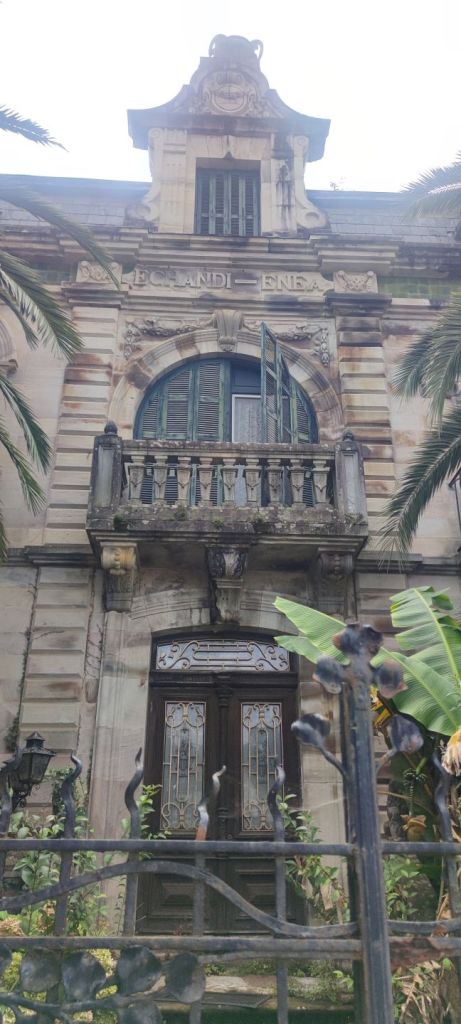
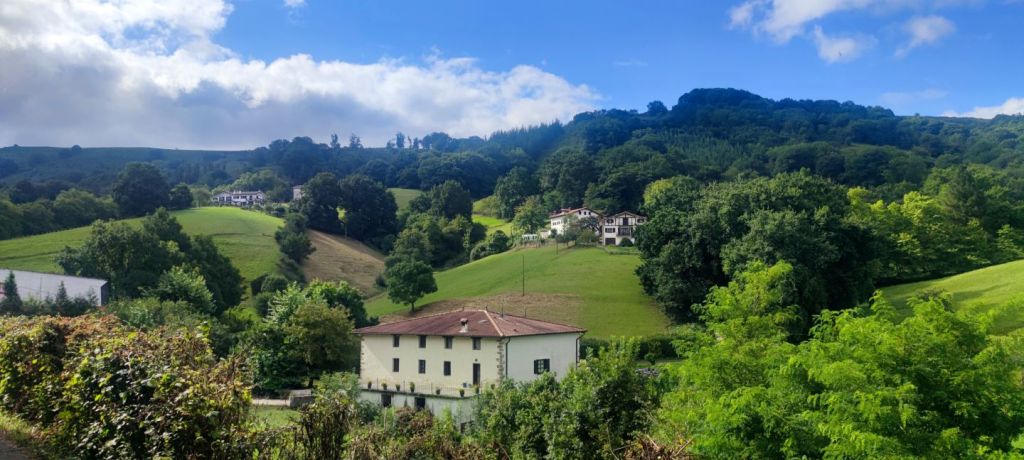
One of Bera de Bidasoa’s greatest charms is its old town, declared a Historic-Artistic Site. Walking along its cobbled streets feels like stepping back in time. The traditional houses are undeniable protagonists: robust stone constructions, with wooden balconies and wrought iron decorative details, typical of the Basque-Navarre style. Many of them date back to the 17th and 18th centuries and have been carefully preserved, keeping the essence of the town intact. Its architecture reflects the influence of the traditional Basque-Navarre style, characterized by stone or whitewashed masonry houses, gabled roofs covered with red tiles, and wide eaves to protect from the rain. In Bera’s case, there is a harmonious blend between humble homes and more sumptuous buildings, revealing the coexistence of different social classes and the town’s economic dynamism throughout history.
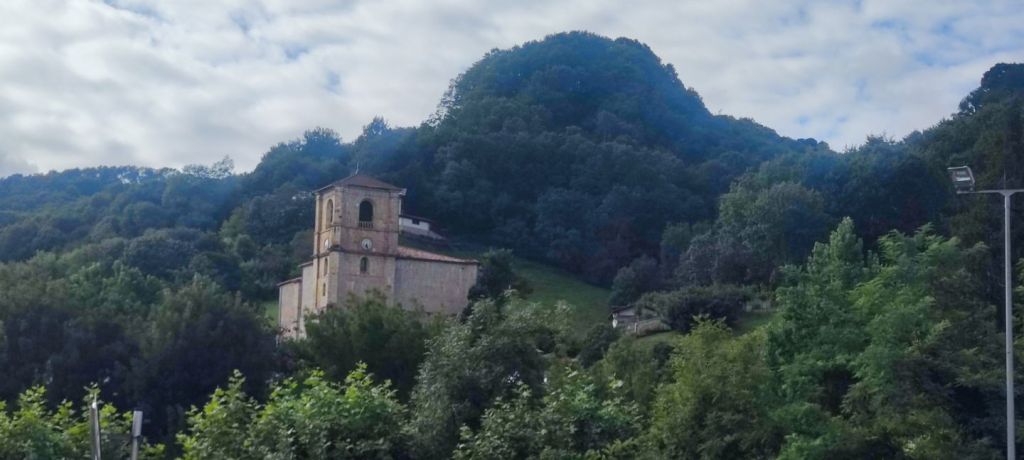
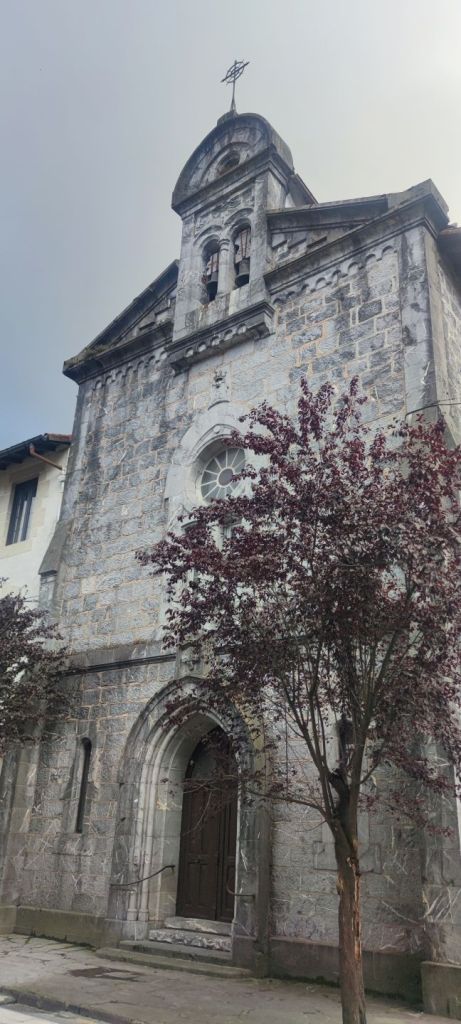
Among the most notable monuments is the Church of San Esteban Protomártir, located in the center of the town. This temple, of medieval origin, has been renovated several times, although it retains Gothic elements in its original structure. Its imposing bell tower is visible from much of the town, and inside there are Baroque altarpieces and polychrome carvings of great historical value.
Another unique building is the Bera Town Hall, built in the 18th century and a notable example of Baroque civil architecture in Navarre. Its carved stone façade, with balconies and a heraldic shield, conveys the institutional importance the town held for centuries.
NATURE AND ROUTES FROM BERA
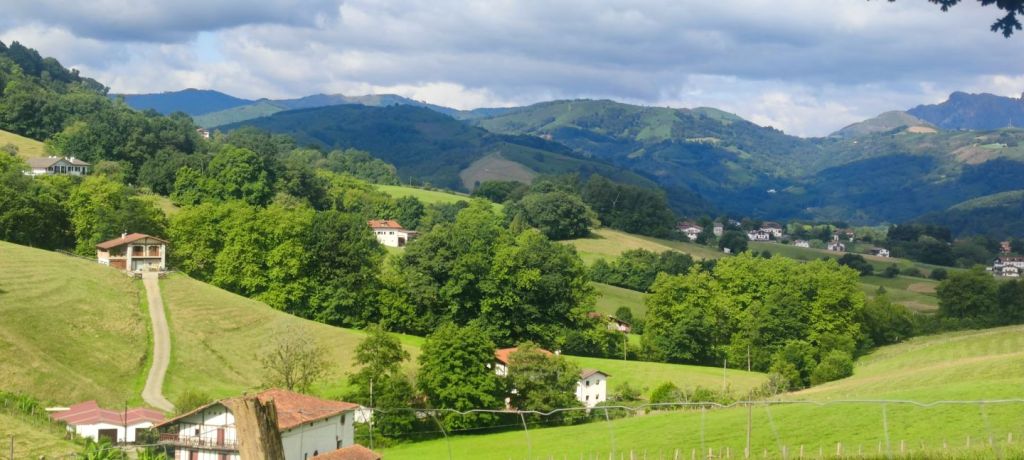
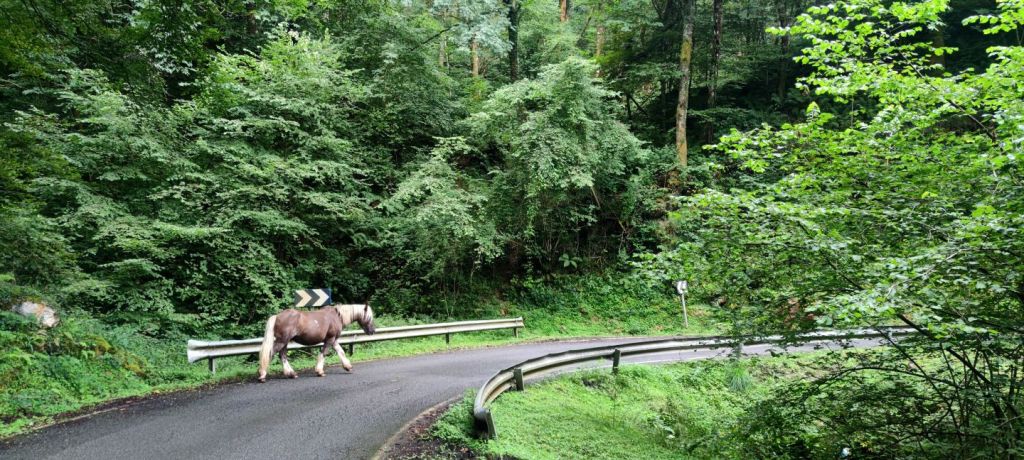
In addition to its historical and architectural interest, Bera de Bidasoa is an ideal starting point for outdoor activities. Its surroundings, made up of mountains, meadows, and rivers, invite you to enjoy nature at any time of year.
BIDASOA GREENWAY
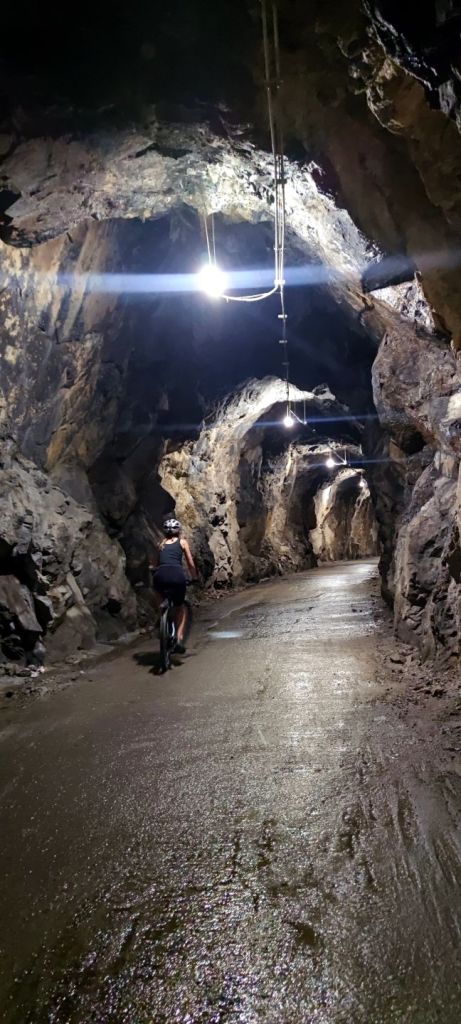
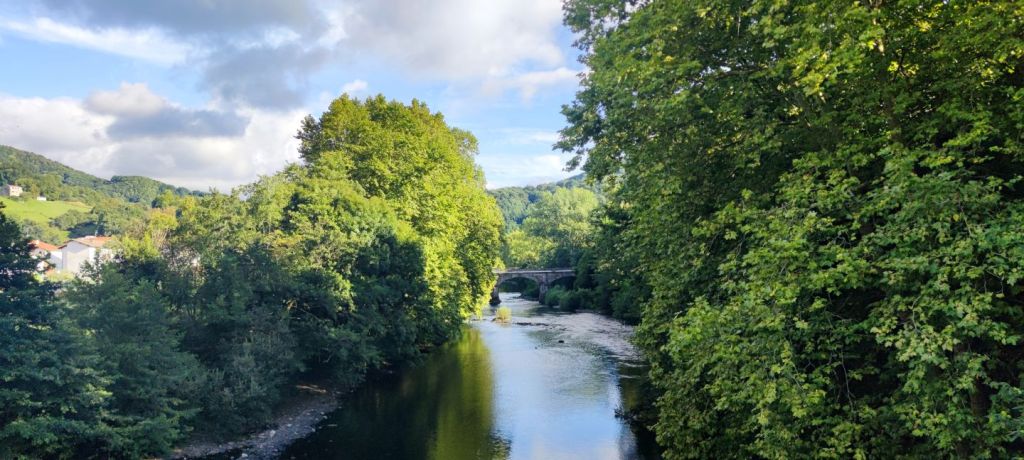
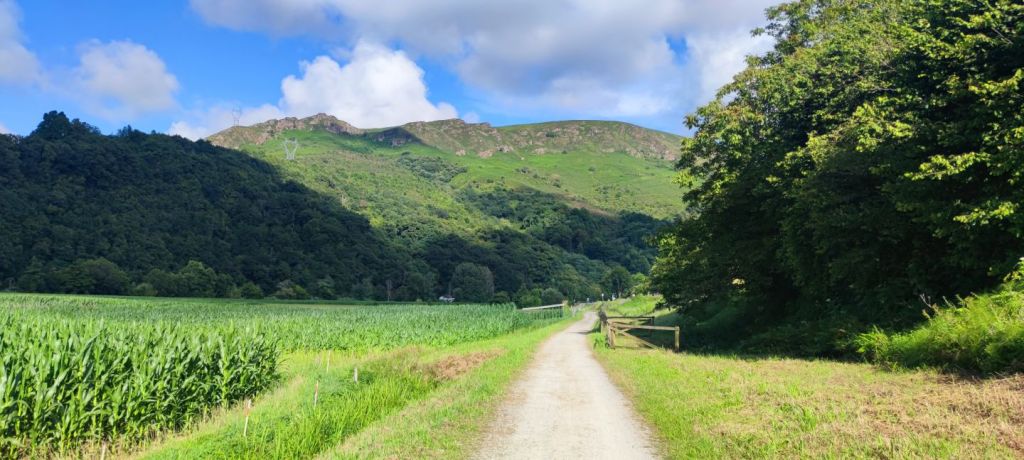
One of the best-known routes is the Bidasoa Greenway, a cycling and walking route that follows the path of a former mining railway. The section that passes through Bera offers beautiful landscapes, with tunnels, bridges, and river views. It is a perfect option for families, as the path is flat and safe, and for those wishing to travel it by bike or on foot.
HIKING AND MOUNT LARUN
For mountain lovers, Bera offers access to routes towards Mount Larun (La Rhune), a border peak that can be climbed on foot or by a rack railway from the nearby French town of Sare. From its summit, the views cover the Bay of Biscay, the Pyrenees, and the Bidasoa Valley.
URDAX AND ZUGARRAMURDI CAVES
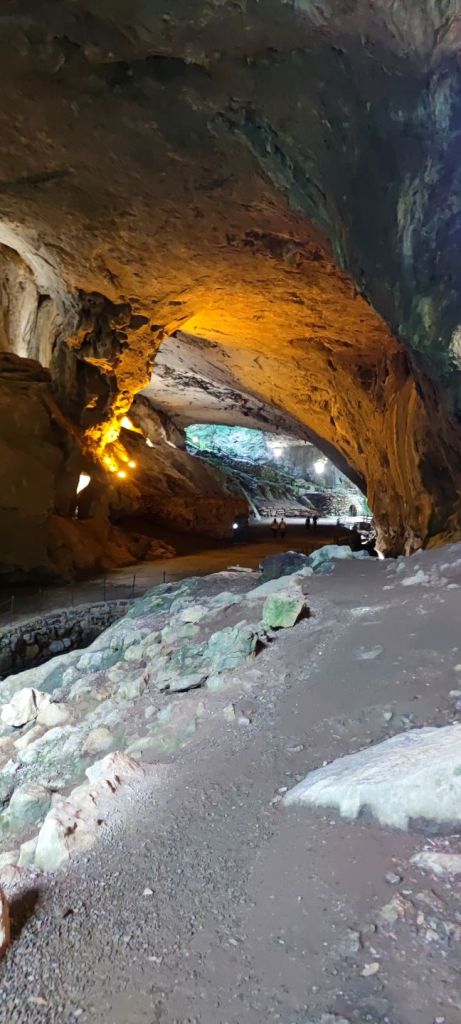
A few kilometers from Bera are two very attractive destinations:
- Urdax Caves: formed by the action of the Urtxuma River, they offer a spectacular underground tour with stalactites and stalagmites. In addition to their geological value, they have great historical interest, as they served as a refuge for monks and smugglers.
- Zugarramurdi Caves: famous for legends related to witches and the witch covens of the 17th century, these caves are large in size and are visited together with the Witches’ Museum. It is an experience that combines history, mythology, and nature.
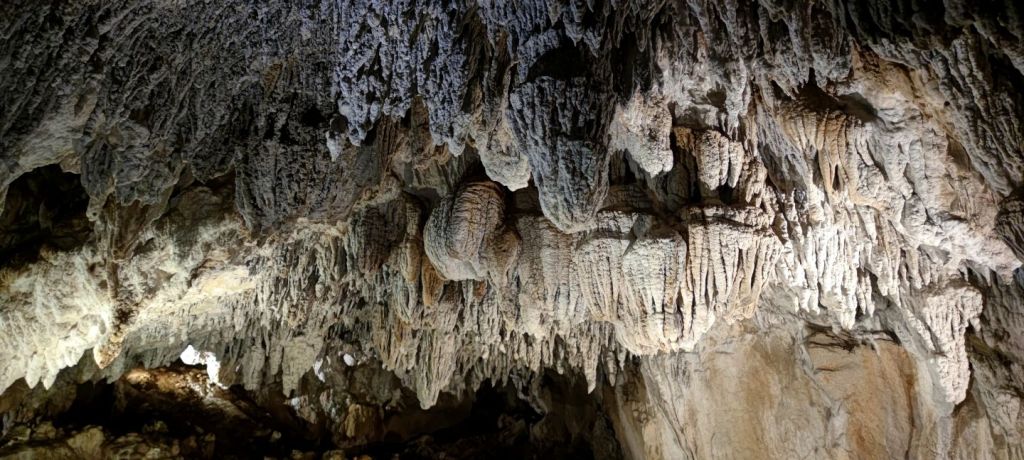
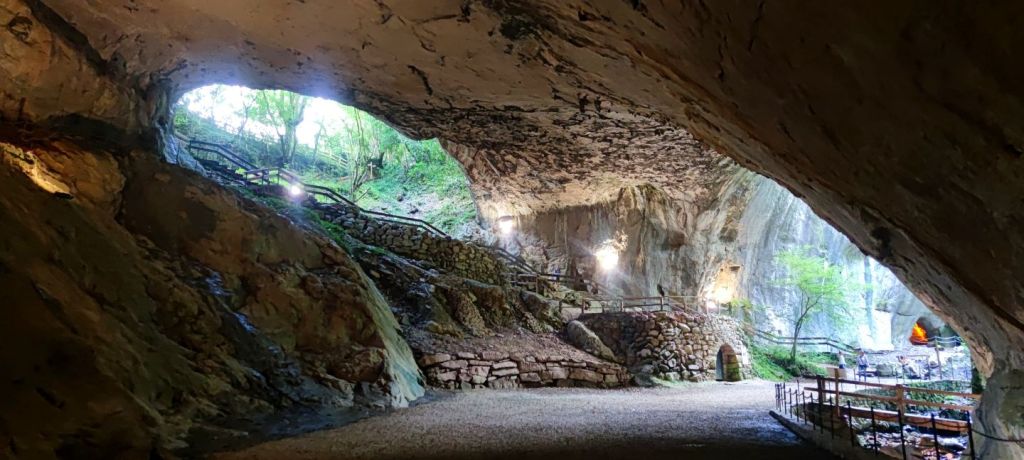
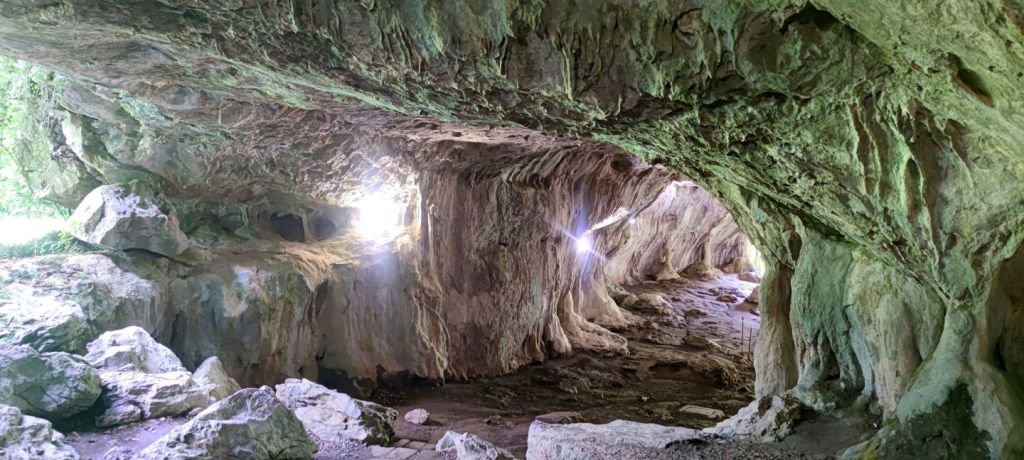
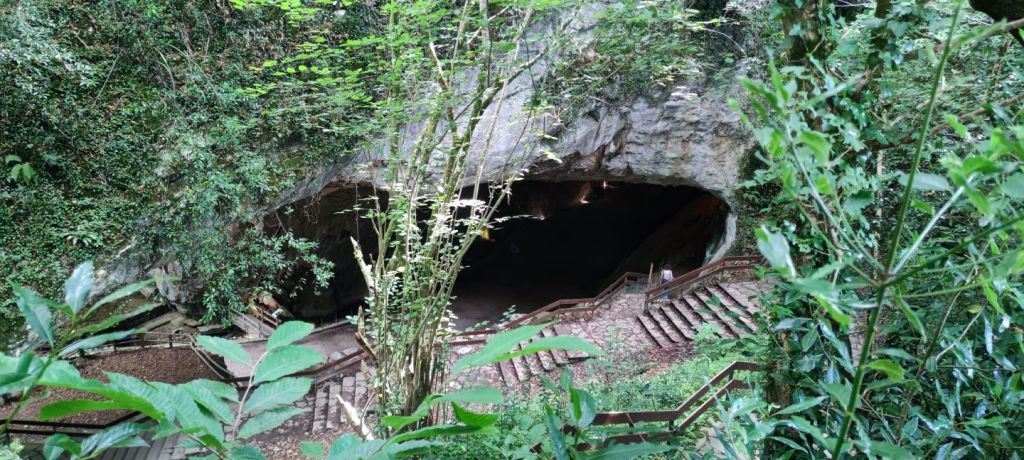
Both caves are well connected by road and are ideal excursions to do in the same day from Bera.
TRADITIONS AND GASTRONOMY
Bera is also a place that keeps its traditions alive. The local festivities, such as those of San Esteban in August, include traditional dances, live music, and popular activities. Gastronomy is another of its strong points: here you can taste dishes such as cod “al pil-pil,” Bidasoa trout, roast lamb, and local cheeses, all accompanied by cider or Navarre wine.
The bars and restaurants in the center offer both traditional cuisine and more modern proposals, always with local ingredients. You should not miss the artisanal cakes and pastries, among which stand out the Basque cake filled with cream or cherry, almond tiles, cream-filled rolls, and homemade sponge cakes, many of them made following recipes passed down from generation to generation.
TIPS:
- The beauty of Bera de Bidasoa is not limited to a specific season. In spring and summer, the intense green of its landscapes invites you to walk and explore. In autumn, the nearby forests turn ocher and golden tones, creating an incomparable visual spectacle. In winter, the peaceful atmosphere and the warmth of its traditional houses make the town a perfect refuge for those seeking peace and authenticity.
- The climate in Bera de Bidasoa is typically Atlantic, which means that rain is frequent for much of the year, even in the summer months. This constant humidity contributes to the intense green of its landscapes, but it also means that unexpected showers are common. Therefore, it is highly recommended to always carry an umbrella or raincoat in your backpack, so you can continue enjoying walks and excursions without the weather becoming an obstacle.

