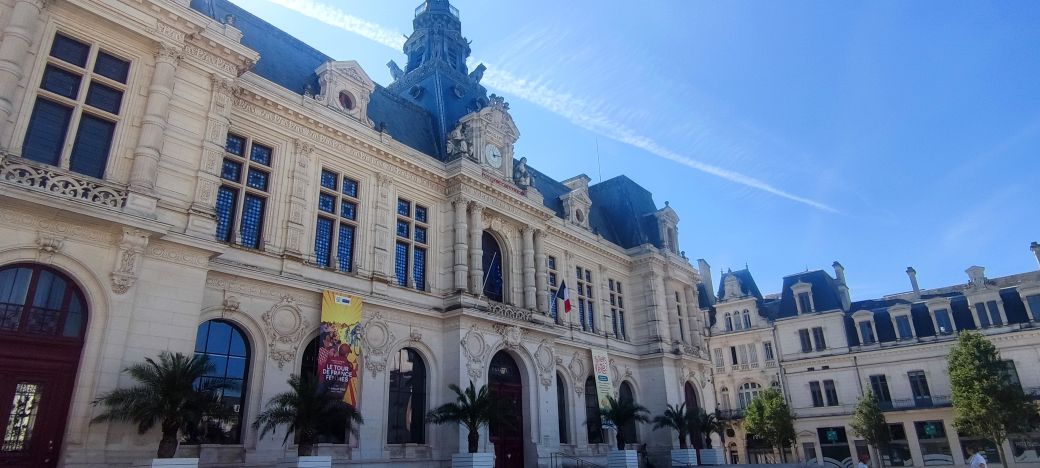
Located in the heart of the Nouvelle-Aquitaine region in western France, Poitiers is a city that blends millennia of history, impressive architecture, living traditions, and enchanting natural landscapes. With more than two thousand years of history, this city has witnessed events that shaped the Middle Ages, the modern era, and contemporary times. Its cultural richness and religious significance made it a strategic center of pilgrimage, while its architecture and natural surroundings make it a fascinating tourist destination today.
Every visit to Poitiers is an opportunity to immerse yourself in the cultural richness of the Middle Ages, enjoy authentic local flavors, and admire urban and natural landscapes that have remained intact for centuries. Whether exploring its monuments, participating in its festivals, or strolling along the river, Poitiers offers unforgettable experiences that make it an essential destination in western France.
LANDMARK MONUMENTS AND THEIR HISTORY
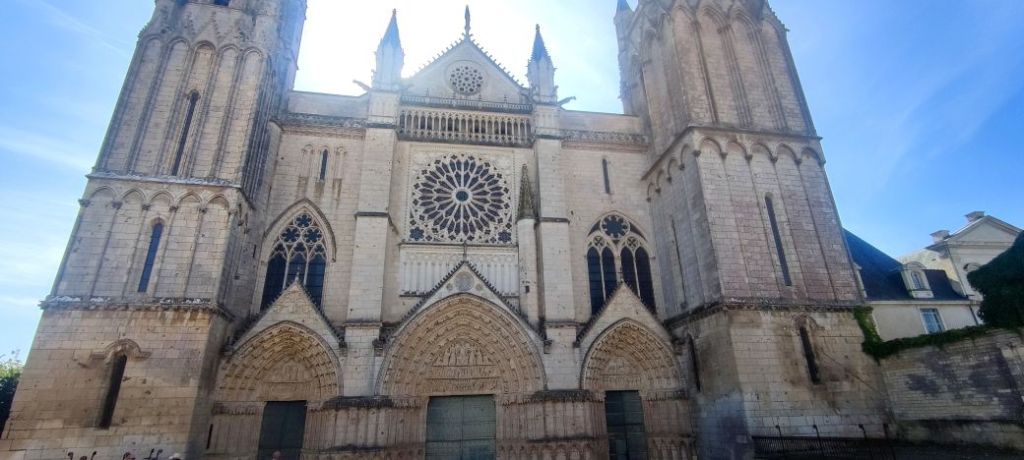
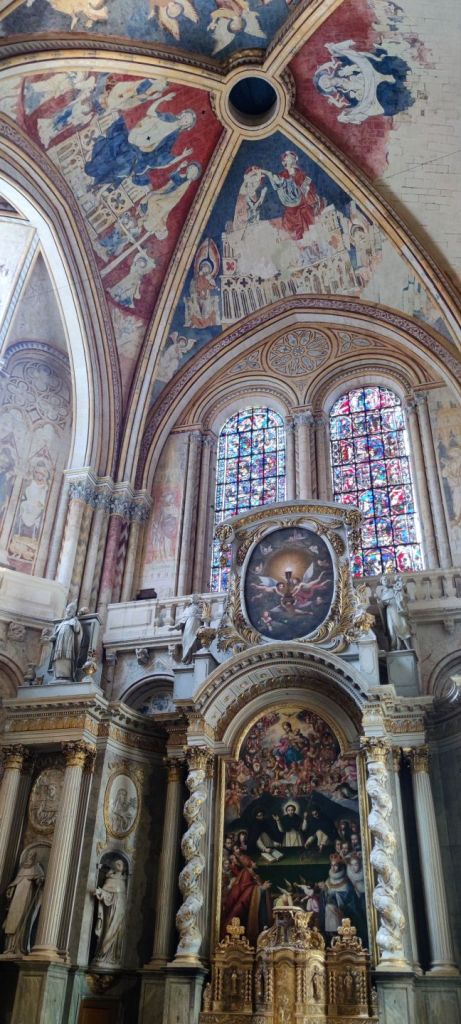
Among Poitiers’ most notable monuments is the Gothic Saint-Pierre Cathedral, built between the 12th and 14th centuries. This cathedral reflects the transition from Romanesque to Gothic architecture, both in its structure and in the ornamentation of its façades. Its stained glass windows are true artistic treasures, depicting biblical scenes and religious figures with great detail and color. The cathedral is not only a place of worship but also a reference point for those studying Gothic architecture and religious art.
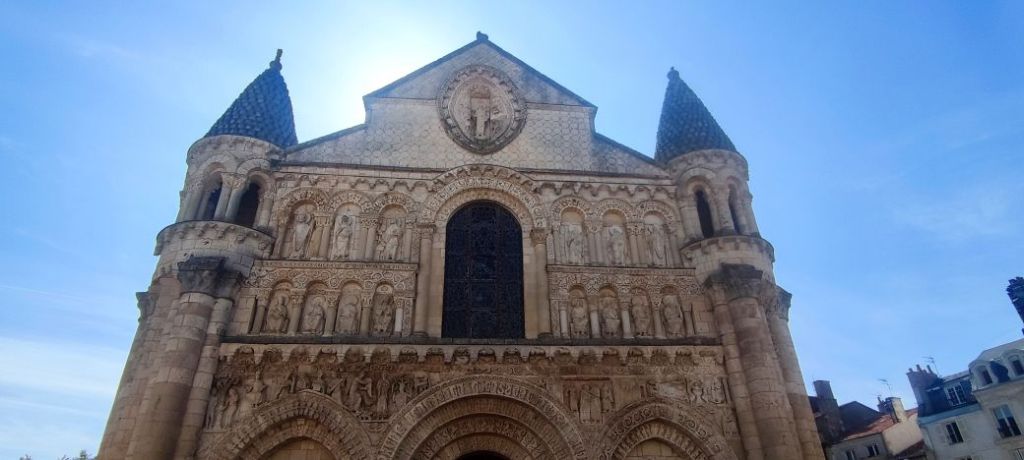
Just a few steps away is the Romanesque church of Notre-Dame-la-Grande, one of the finest examples of Poitevin Romanesque architecture. Its façade is richly decorated with sculptures depicting biblical and allegorical episodes, turning it into an open-air museum that tells the story of faith and medieval culture. During the Middle Ages, this church was also a key point on pilgrimage routes, attracting devotees from across Europe who traveled long distances to venerate its relics and participate in religious ceremonies.
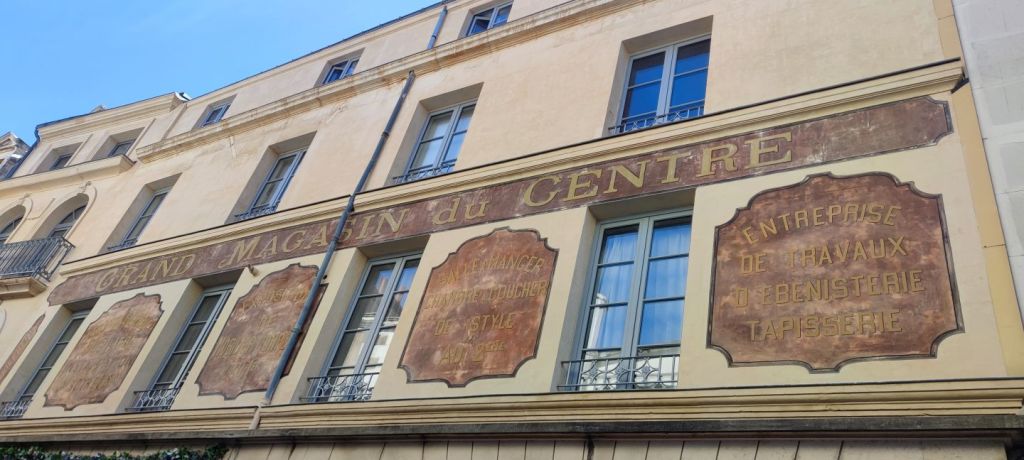
Other historic monuments include the Palace of the Dukes of Aquitaine, which recalls the influence of the ducal dynasty in the region, and the Saint-Benoît Tower, a remnant of ancient monastic constructions that still retain their medieval character. The cobblestone streets of the historic center are dotted with old houses and buildings from various periods, allowing visitors to walk through the history of Poitiers as they explore its squares and alleys.
WALKS ALONG THE CLAIN RIVER

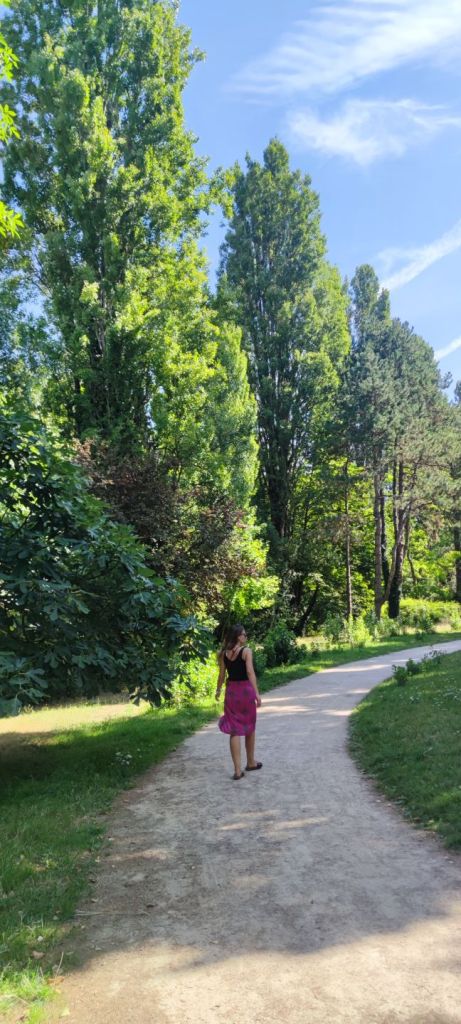
The Clain River, which runs through the city, adds a natural charm to Poitiers. Its banks offer green spaces and walking paths, perfect for peaceful strolls, family picnics, or simply admiring the blend of nature and architecture. Historic bridges crossing the river provide panoramic views of the old town and the cathedral, offering unique opportunities for photography and moments of contemplation. Sunsets along the Clain, reflecting the ancient buildings in its waters, create a magical atmosphere that highlights the beauty of Poitiers.
TRADITIONS AND CELEBRATIONS
Poitiers keeps several traditions and festivals alive that reflect its cultural richness and history. Among the most notable is the International Animation Festival, which attracts artists, animators, and visitors from around the world to celebrate animation cinema and art. Another popular event is the Fête de la Musique, held every June 21, during which squares, streets, and cafés fill with live music, creating a festive atmosphere that brings locals and tourists together.
In addition to these cultural events, Poitiers preserves religious and local celebrations dating back to the Middle Ages, such as festivities in honor of patron saints and Holy Week processions. These traditions provide a unique glimpse into the city’s religiosity and community life over the centuries.
TYPICAL POITIERS CUISINE
Poitiers’ cuisine is another major attraction of the city. Among the most representative traditional dishes is farci poitevin, a savory pie made of vegetables and meat wrapped in cabbage leaves, perfect for those seeking authentic local flavors. Another specialty is the galette de pomme de terre, a delicious potato pancake served in brasseries and traditional cafés.
Local cheeses, especially chabichou and other goat cheeses, are typical products enjoyed with honey or artisan bread, while fours charentais are traditional sweets that complete the culinary experience. To taste these delights, it is recommended to visit restaurants such as La Table de Charlotte, the Marché Notre-Dame, and cafés in the historic center, where fresh, local products are highlighted.
POITIERS TODAY: A VIBRANT AND WELCOMING CITY
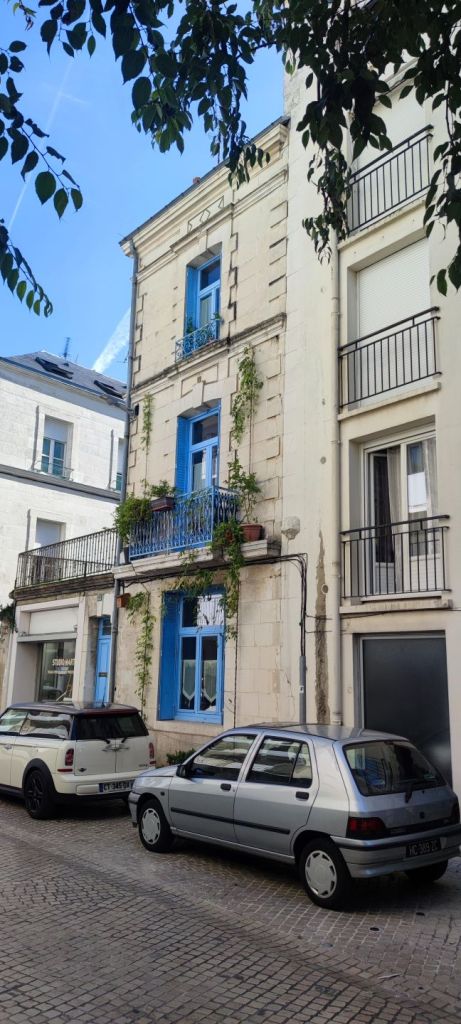
Today, Poitiers combines its historical heritage with modern university and cultural life. The city is home to several universities and research centers, giving it a youthful and dynamic atmosphere. Museums, art galleries, local markets, and cultural festivals coexist with ancient monuments, offering experiences for every taste: from history and art enthusiasts to tourists seeking culinary and leisure enjoyment.
The historic center, with its narrow streets, picturesque squares, and medieval buildings, invites visitors to get lost and discover unique corners, while green areas and walks along the Clain River provide spaces for relaxation and connection with nature. Additionally, Poitiers serves as a strategic base for exploring the Nouvelle-Aquitaine region, with easy access to other historic cities and natural landscapes.
TIPS:
Visit Futuroscope, the famous science and technology theme park, is about 10 km from the center of Poitiers. To get there:
- Train: There are direct trains from Poitiers station to the park’s station; the journey takes around 10–15 minutes.
- Bus: Several bus lines and shuttle services connect the city with Futuroscope, especially on days when the park is open.
- Tip: Buy train or bus tickets in advance if you visit during peak season to avoid long lines.
 all about eve`s journeys