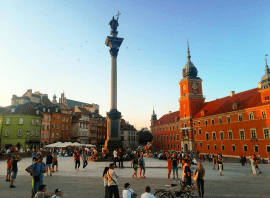
There are cities you visit, and others you truly feel. Warsaw belongs to the latter. Poland’s capital surprises from the very first moment: a fascinating blend of history, resilience, and vibrant modernity. After being almost completely destroyed during World War II, the city was rebuilt with remarkable precision, making it today one of Europe’s most fascinating urban destinations. If you are thinking of discovering it, there are several must-see places that perfectly capture its essence.
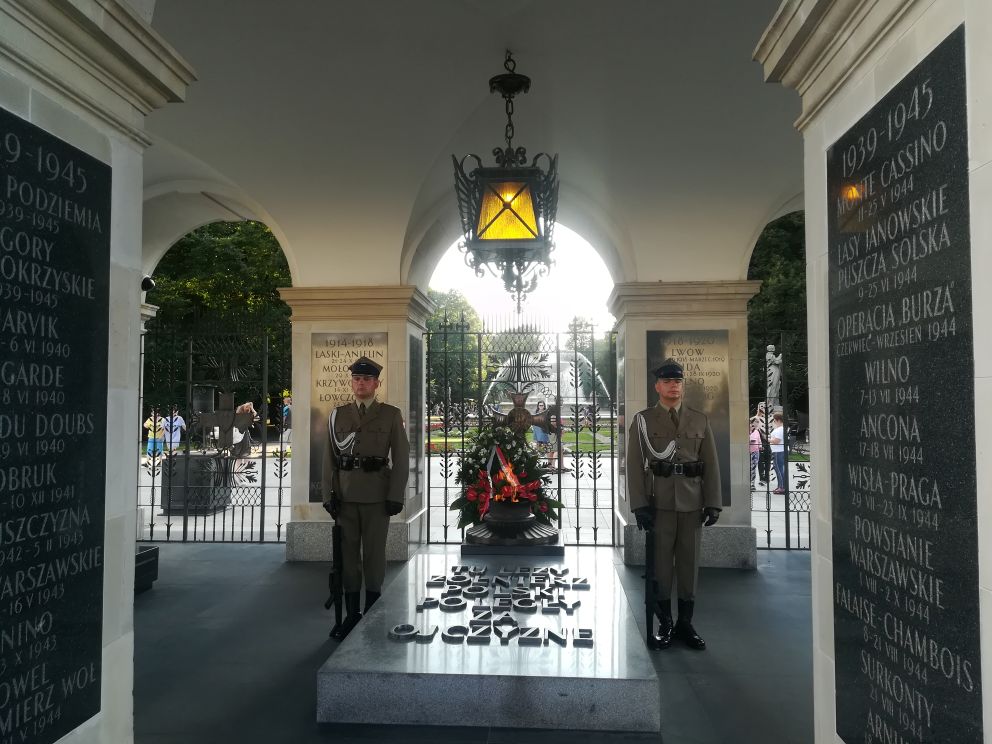
It is a city that combines historical memory, green spaces, monumental architecture, and delicious gastronomy — a capital that proves that even after destruction, it is possible to rise again with greater strength and beauty.
THE OLD TOWN: A MIRACULOUS RECONSTRUCTION
The historic heart of Warsaw is one of the most impressive examples of urban reconstruction in the world. Walking through the Old Town (Stare Miasto) means strolling past pastel-colored facades, cobbled streets, and lively squares. What is truly incredible is that much of what we see today was rebuilt after the devastation of war, faithfully following historical paintings and documents.
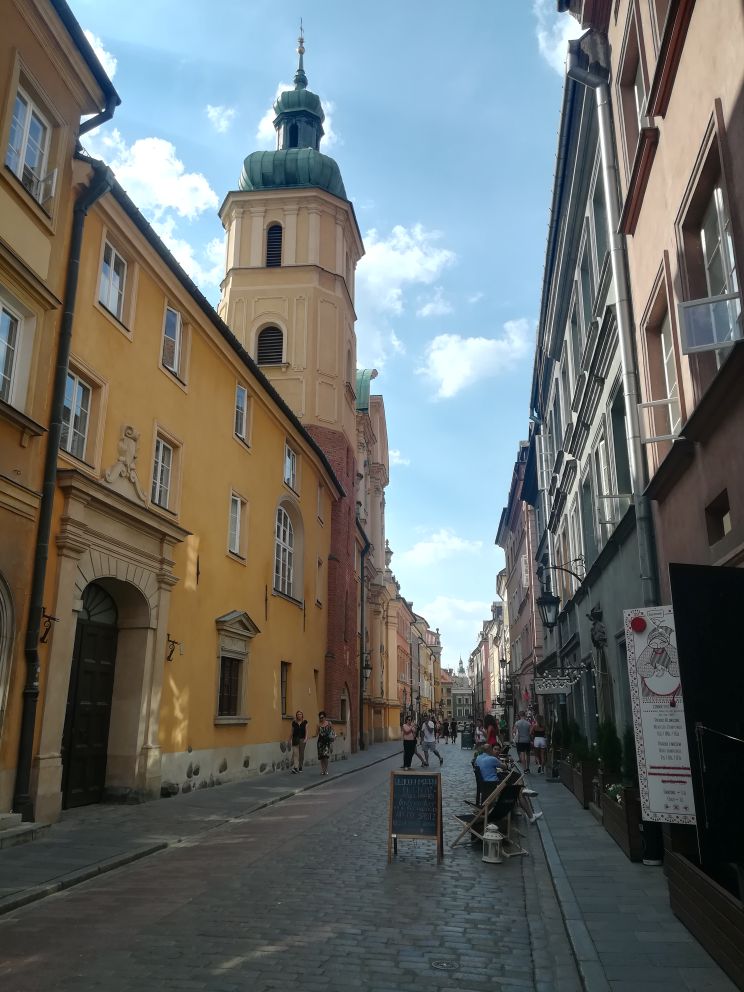
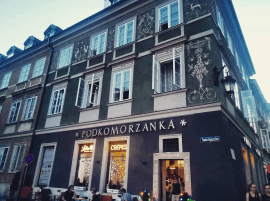
The central jewel is the Market Square, surrounded by picturesque buildings and watched over by the famous Mermaid Statue, the symbol of the city. Every corner invites you to stop, take a photo, and simply admire.
THE ROYAL CASTLE: A SYMBOL OF RESISTANCE
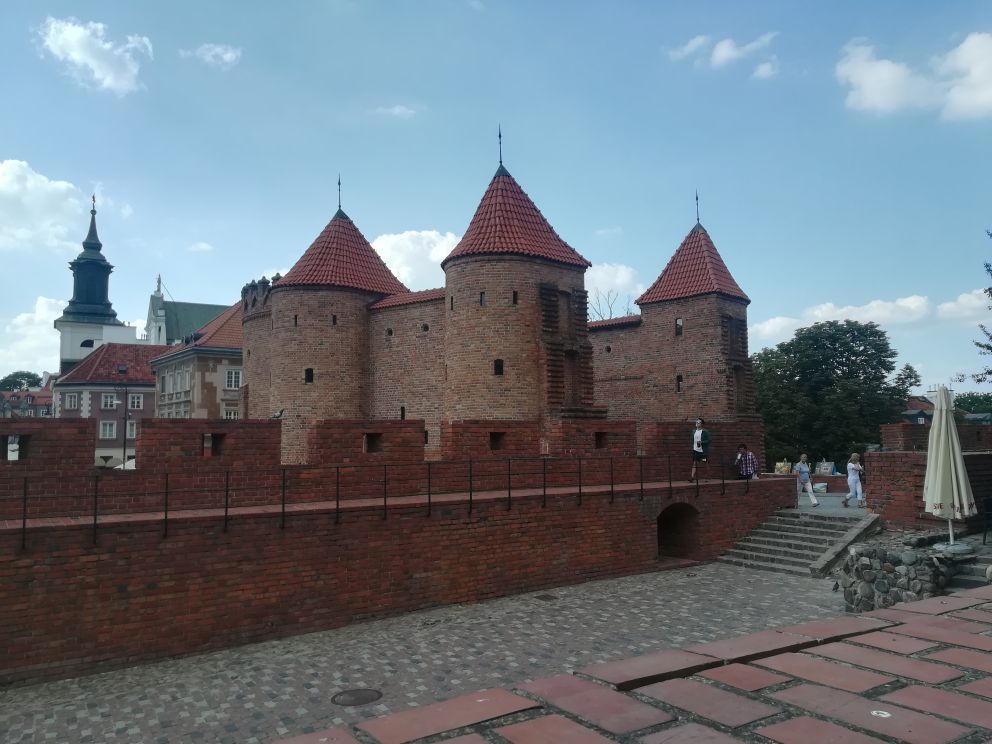
Standing proudly at the entrance to the Old Town is the majestic Royal Castle of Warsaw. For centuries, it served as the residence of Polish monarchs and the seat of parliament. It was also almost completely destroyed during the Nazi occupation and later rebuilt with astonishing accuracy. Beyond its architectural beauty, it represents Poland’s ability to rebuild its identity.
Highlights inside include:
- The Royal Apartments
- The Throne Room
- A valuable art collection
- Works by Rembrandt
ŁAZIENKI PARK: THE GREEN LUNG OF THE CITY
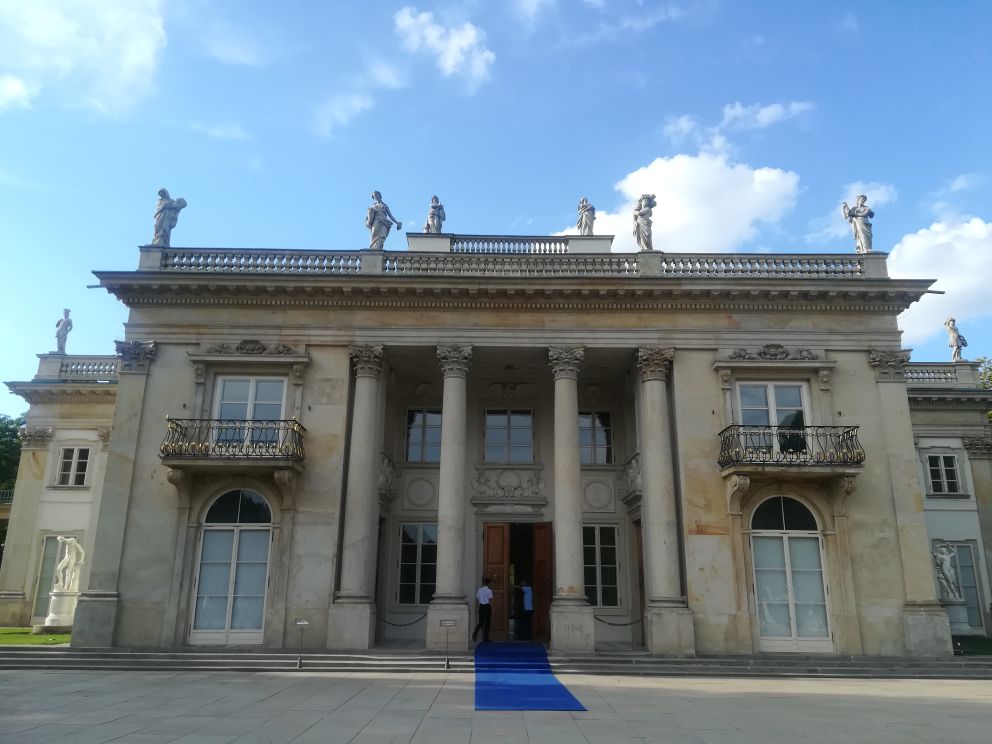
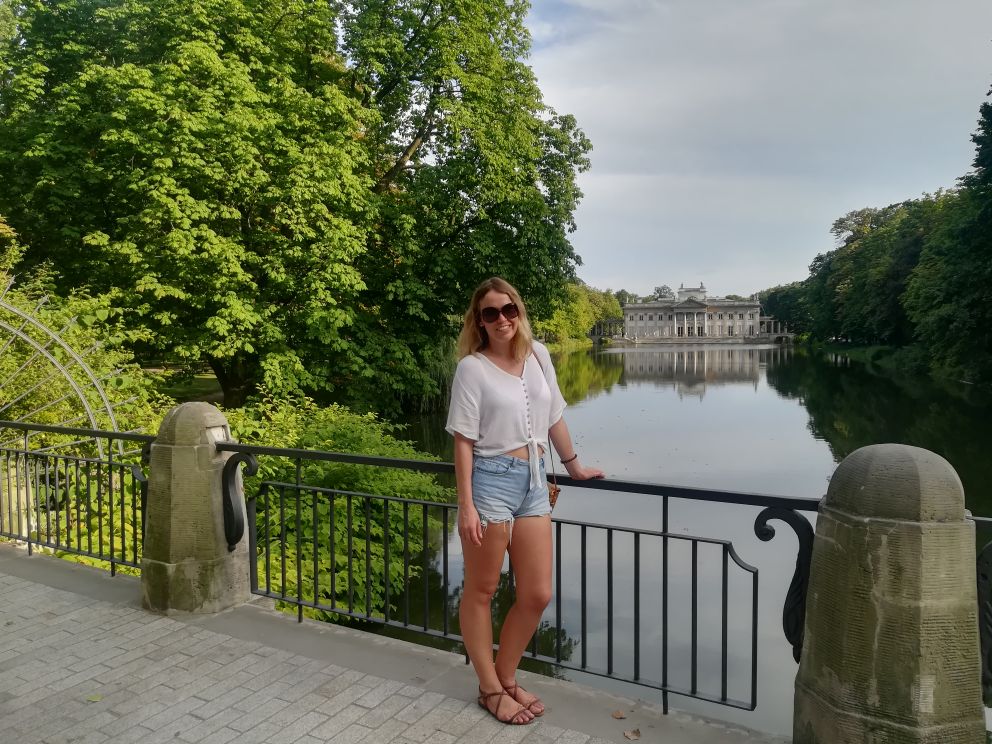
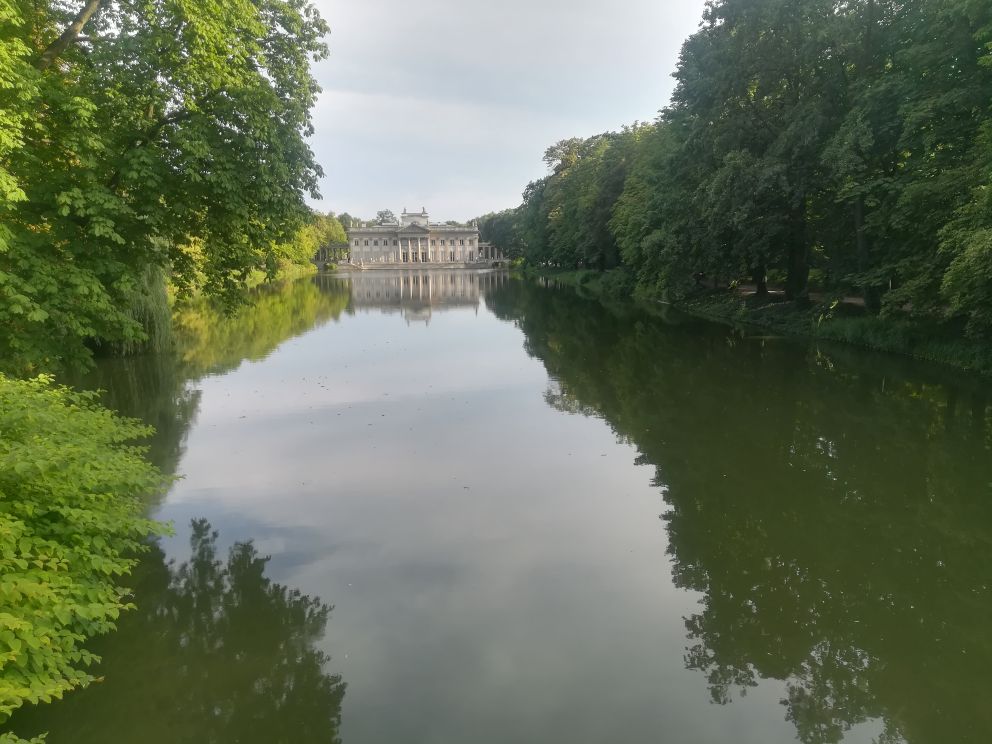
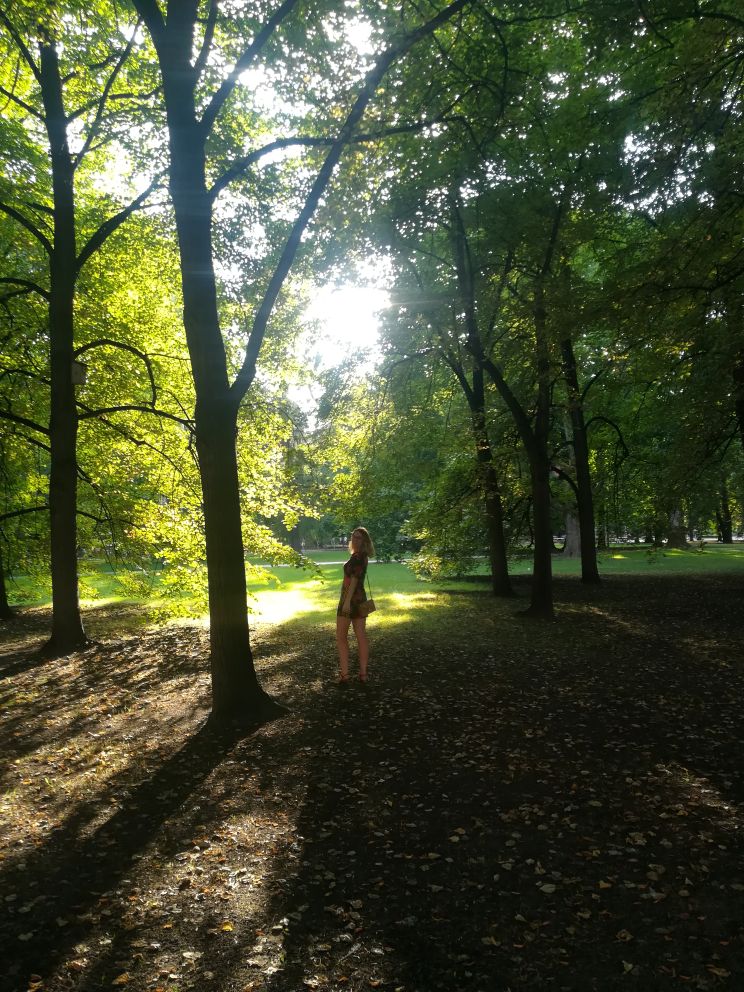
If you need a break from the urban pace, the spectacular Łazienki Park is an essential stop. Covering more than 70 hectares, it is the city’s most famous park and one of the most elegant in Europe. During summer, free open-air piano concerts dedicated to Frédéric Chopin create a magical atmosphere.
Here you will find:
- The beautiful Palace on the Isle
- Perfectly maintained gardens
- Peacocks wandering freely
- The famous Chopin Monument
THE SOVIET GIANT: THE PALACE OF CULTURE AND SCIENCE
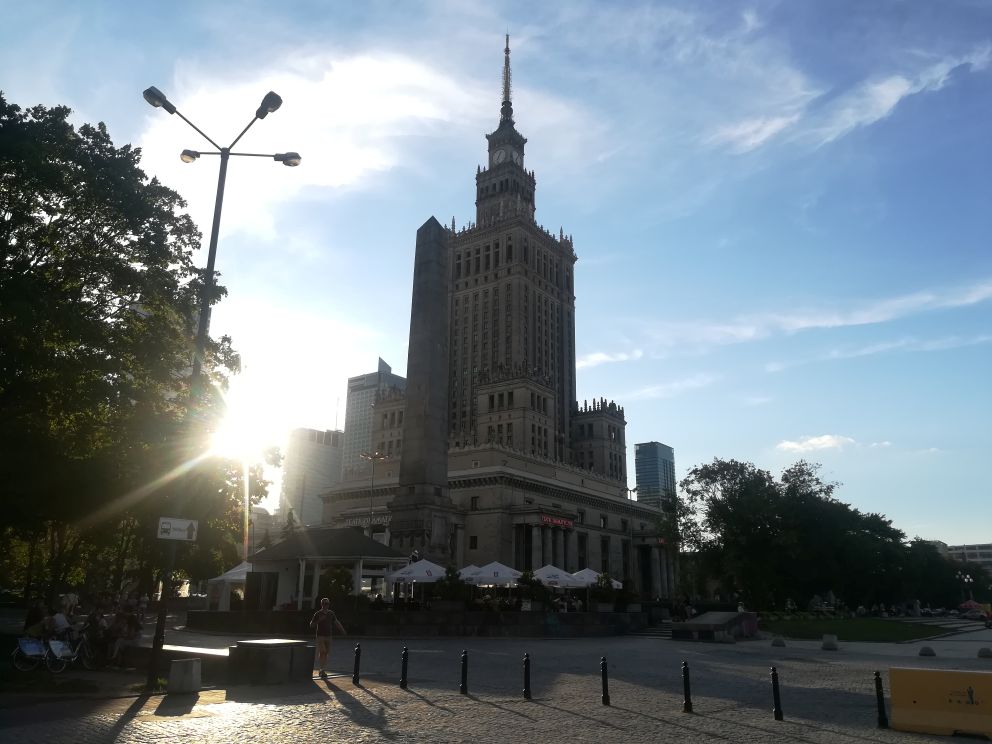
There is one building impossible to ignore on Warsaw’s skyline: the monumental Palace of Culture and Science. It was a “gift” from the former Soviet Union to Poland in the 1950s, although for many Varsovians it symbolized Soviet influence over the country for decades.
At 237 meters tall, it remains one of the capital’s most iconic landmarks. Its architecture, inspired by Stalinist skyscrapers, divides opinion: some see it as an imposing concrete giant, while others consider it an essential historical monument. The best part? Climbing to its observation deck for breathtaking panoramic views of the entire city.
WARSAW’S GASTRONOMY: COMFORTING FLAVORS
Visiting Warsaw also means discovering an intense, flavorful cuisine deeply rooted in tradition. Pierogi are probably the country’s most famous dish. These small dumplings can be filled with:

- Meat
- Potato and cheese
- Mushrooms
- Fermented cabbage
- Fruit
The traditional Żurek is a sour rye soup made with fermented rye flour, sausage, and egg. It may sound unusual, but it is one of those flavors that quickly wins people over.
Bigos, known as “hunter’s stew,” combines sauerkraut, meat, and spices in a slow-cooked dish full of flavor — perfect for Warsaw’s cold winters.
Before leaving, make sure to try Poland’s wonderful desserts:
- Pączki (Polish doughnuts)
- Cheesecake
- Poppy seed pastries
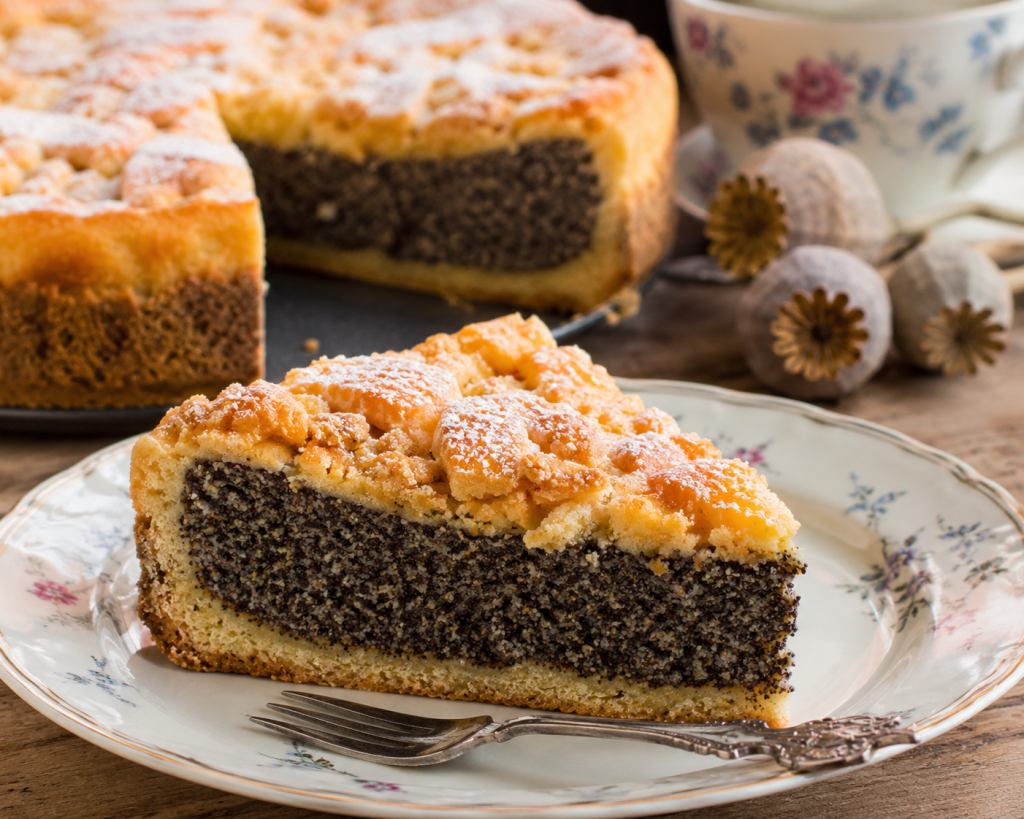
And of course, pair it all with a glass of Polish vodka or a coffee in one of the city center’s modern cafés.
TIPS:
- Although many people visit it as a quick city break, Warsaw deserves at least three full days to be explored without rushing:
- Day 1: Old Town and Royal Castle
- Day 2: Łazienki Park and the Royal Route
- Day 3: Palace of Culture, museums, and local gastronomy
- Many museums also offer free admission on certain days of the week. It is worth checking if you plan to visit places such as:
- Warsaw Uprising Museum
- National Museum in Warsaw


¡Mmm, los pierogi qué ricos! 😋
LikeLiked by 1 person