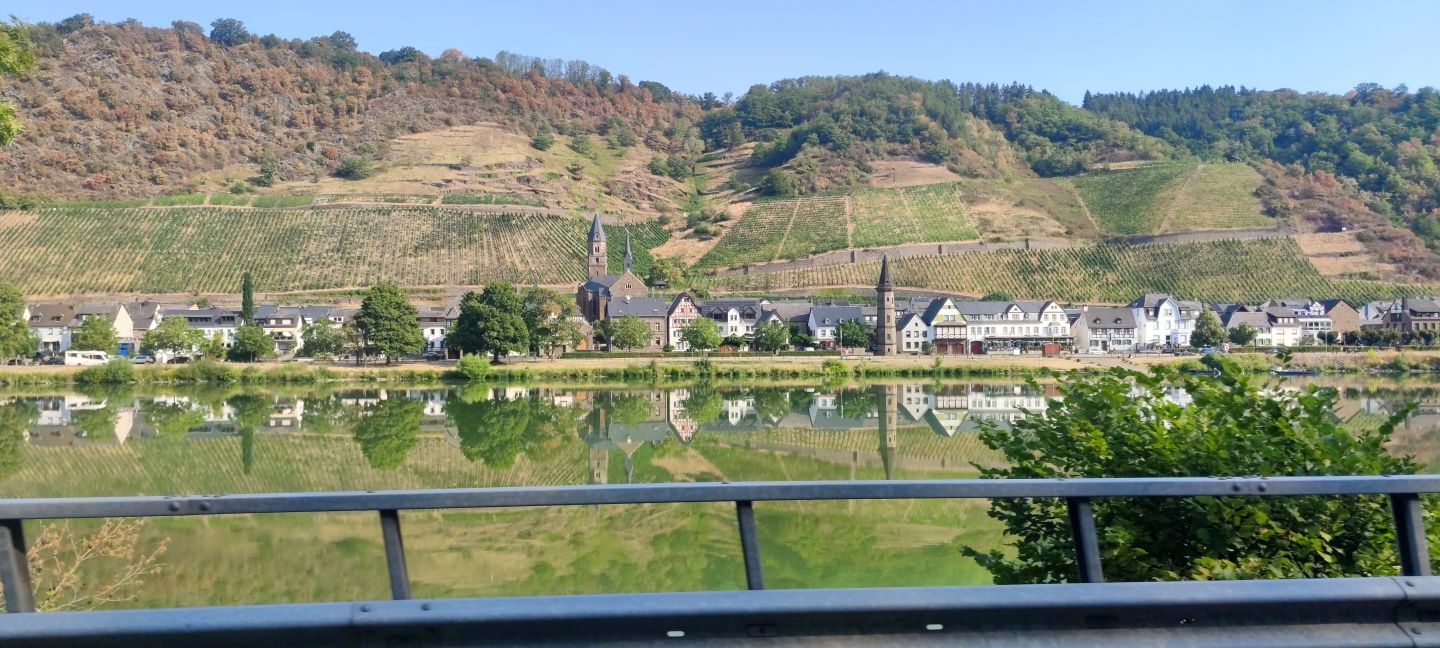
There are places in Europe that seem straight out of a fairy tale, with castles perched on hillsides, villages filled with half-timbered houses, and rivers winding their way through vineyards. The Moselle Valley, in western Germany, brings together all these elements and much more. It is the perfect destination for those looking to discover a different side of Germany, far from the big cities and the usual tourist routes.
Along the Moselle River, charming little towns, family-run wineries, spectacular landscapes, and medieval fortresses that seem frozen in time follow one another. Exploring this region by car allows you to stop at scenic viewpoints, wander through cobbled streets, and enjoy the local cuisine at a leisurely pace.
THE MOSELLE RIVER: A LANDSCAPE TO FALL IN LOVE WITH
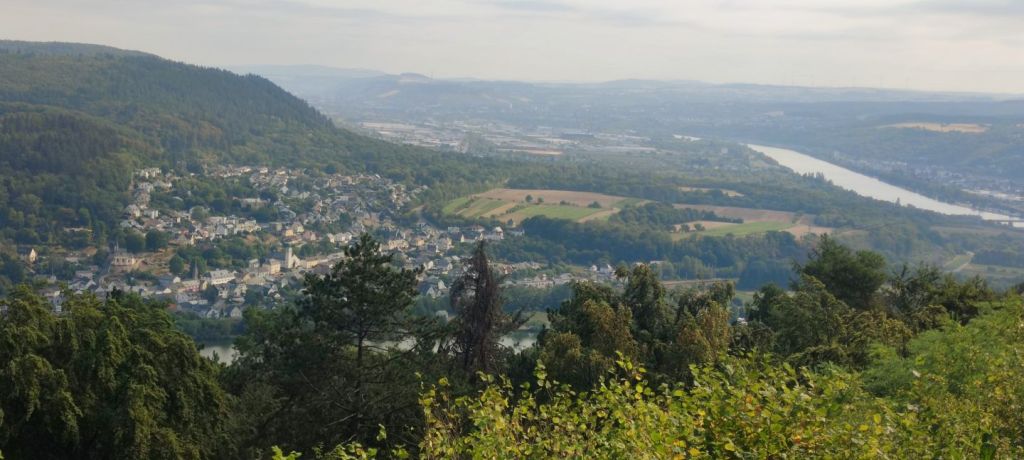
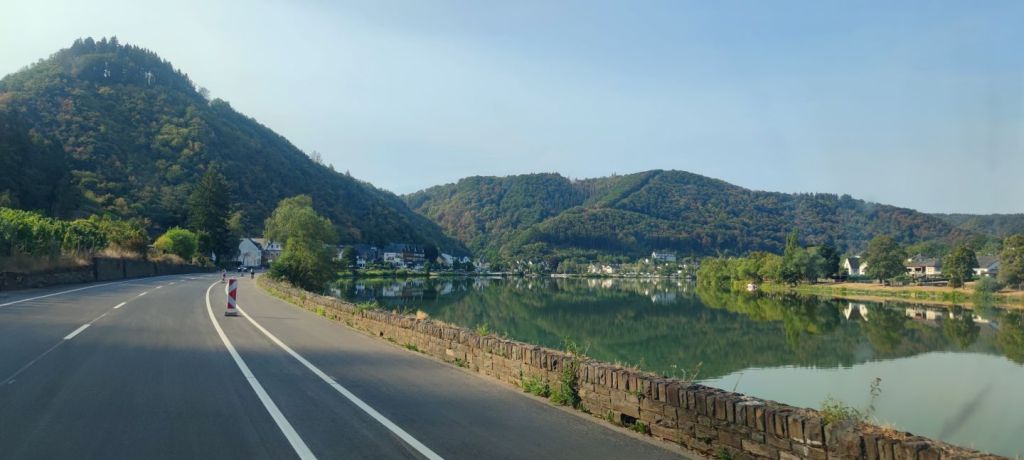
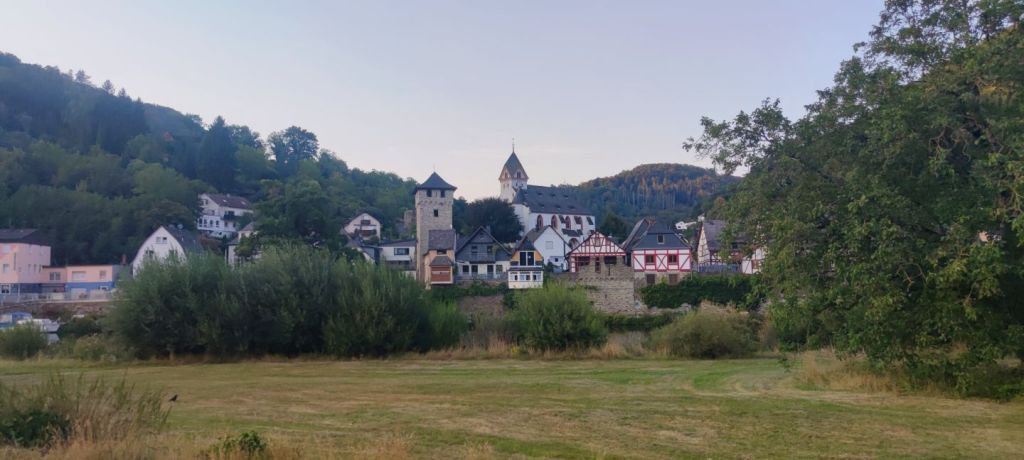
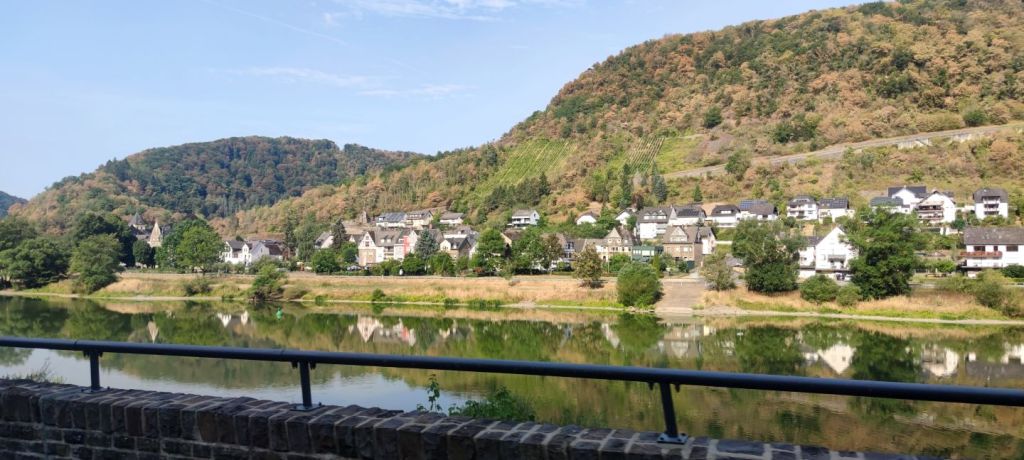
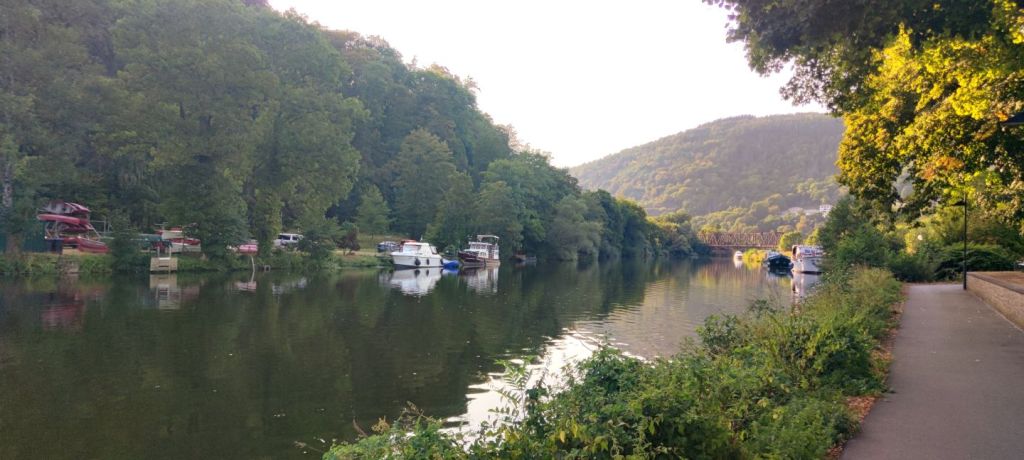
The Moselle River rises in France, flows through Luxembourg, and continues across western Germany before joining the Rhine near Koblenz. Along its German course, it forms numerous meanders between vineyard-covered hills, historic villages, and lush forests.
The region is particularly famous for its white wines, especially Riesling, a grape variety that thrives on the valley’s steep slopes. Terraced vineyards are an inseparable part of the landscape, changing colour with the seasons. In spring and summer, the hills turn green, while in autumn the leaves take on golden and reddish hues, creating a particularly photogenic scene. During the grape harvest, many villages also host festivals celebrating wine and local traditions.
One of the best ways to discover the Moselle is to follow its scenic roads, combine cultural visits with riverside walks, and set aside time to explore a winery. There are also cycling routes and boat trips that offer a different perspective on the landscape.
COCHEM: ONE OF THE MOST BEAUTIFUL TOWNS IN THE VALLEY
Cochem is an essential stop on any trip along the Moselle. Its old town features narrow streets, charming squares, and traditional houses clustered along the riverbank.
However, the main attraction is the silhouette of Reichsburg Castle, perched on a hill overlooking the entire town. Its towers and rooftops stand out against the sky, creating one of the region’s most recognisable views. Although the castle dates back to medieval times, it was rebuilt in the 19th century after falling into ruin. Guided tours allow visitors to explore its interior rooms and learn about its history.
Cochem is also a great place to take a boat trip along the Moselle. From the water, you can admire the town’s houses, the vineyard-covered slopes, and the castle dominating the landscape.
BERNKASTEL-KUES: TRADITIONAL HOUSES AND RIESLING WINE
If there is one place that captures the most romantic essence of the valley, it is Bernkastel-Kues. This town is known for its remarkable historic centre, with half-timbered buildings, colourful façades, and streets that seem to preserve the atmosphere of centuries past.
At the heart of the town lies the market square, surrounded by historic houses and small establishments where visitors can enjoy local cuisine. One of the most photographed buildings is the Spitzhäuschen, a narrow and distinctive house that has become one of Bernkastel’s landmarks.
Across the river lies Kues, known for its connection to Nicholas of Cusa, a 15th-century philosopher and thinker. To complete your visit, head to the ruins of Landshut Castle, situated on a hill offering magnificent views of the town and the Moselle River.
TRABEN-TRARBACH: ART NOUVEAU ARCHITECTURE AND UNDERGROUND WINE CELLARS
Traben-Trarbach is another town worth stopping at during a trip along the Moselle. Located on both sides of the river, it is known for its Art Nouveau architecture and long-standing winemaking tradition.
In the late 19th and early 20th centuries, the town became an important centre for the wine trade. The prosperity of that era is reflected in its elegant buildings, some of which feature influences from Art Nouveau and the German Jugendstil movement.
One of its most interesting features is its network of old underground wine cellars, historically used for storing wine. Some can be explored on organised tours, offering insight into the economic and cultural importance of winemaking in the region. You can also cross the bridge connecting the two sides of the town, walk along the river, and stop at one of the local establishments to sample regional wines.
ELTZ CASTLE: A FAIRY-TALE FORTRESS HIDDEN IN THE FOREST
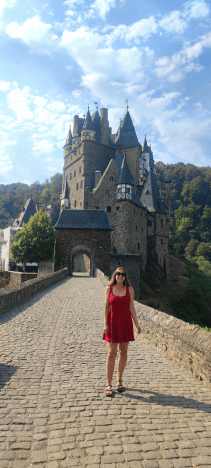
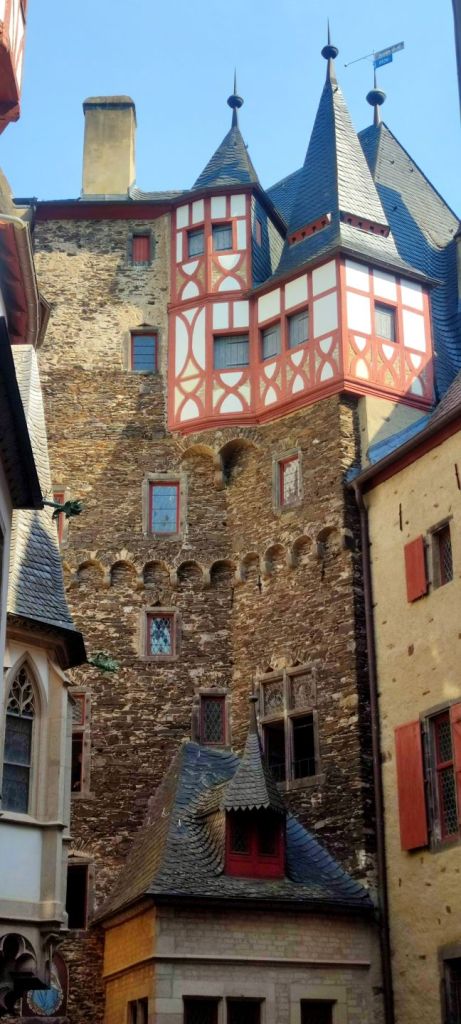
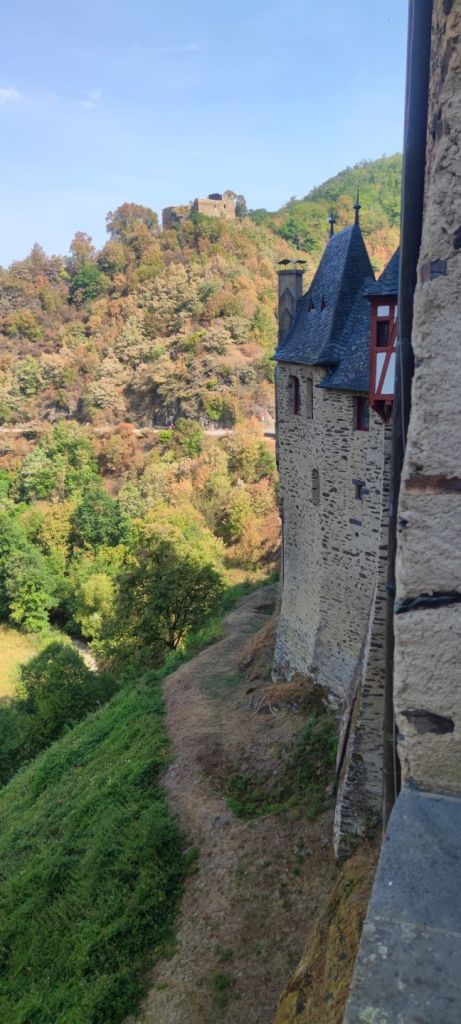
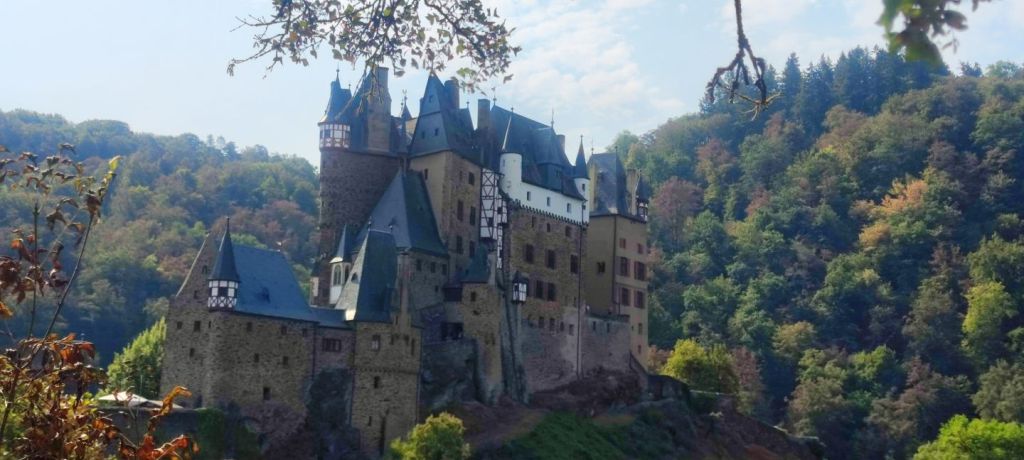
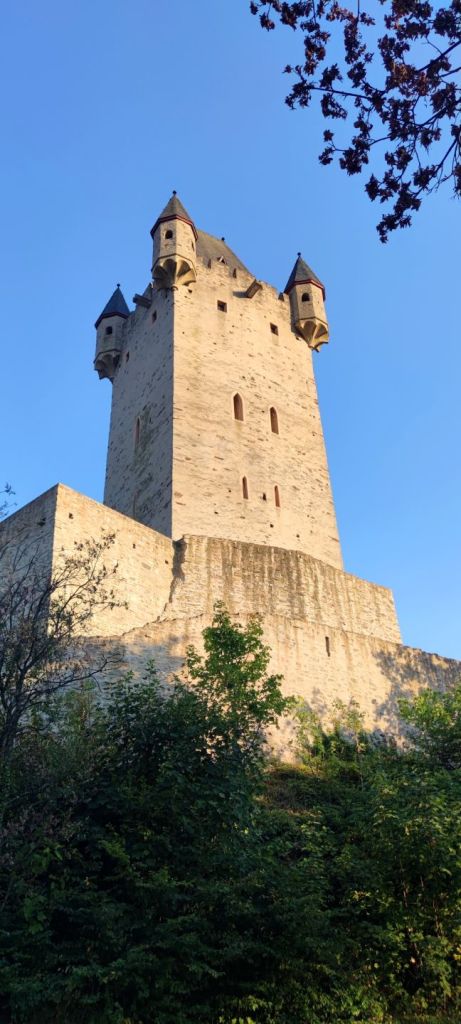
Although it is not located directly on the banks of the Moselle, Eltz Castle is one of the most spectacular excursions you can take from the region. Surrounded by woodland and perched on a rocky outcrop beside the Elzbach Valley, this castle looks as though it has emerged from a medieval legend. Its pointed towers, sloping roofs, stone walls, and half-timbered structures create an unmistakable silhouette.
One of its most remarkable features is that it has remained associated with the same family for centuries and has preserved much of its historic character. Unlike other German castles that were rebuilt in later periods, Eltz retains a particularly evocative medieval appearance. Guided tours offer the opportunity to explore historic rooms, collections of antique objects, and details about the lives of its former inhabitants.
Getting there is part of the experience. The paths wind through woodland, and as you approach, the castle gradually appears between the trees, offering one of the most memorable views of the trip.
FOOD AND WINE: THE FLAVOURS OF THE MOSELLE VALLEY
A trip to the Moselle would not be complete without discovering its cuisine. Wine is undoubtedly the star of the region, and family-run wineries offer a wonderful opportunity to learn about local grape varieties and winemaking methods.
Riesling stands out for its freshness, aromas, and ability to reflect the characteristics of the soil in which it grows. Depending on the winery and its winemaking style, you can find dry, fruity, or sweet wines.
Traditional restaurants also serve meat dishes, cold cuts, potatoes, soups, and seasonal specialities. To finish a meal, enjoy a regional cake or pastry with your coffee.
TIPS:
- Choose the right time of year. Spring and summer are ideal for walks and green landscapes. September and October are particularly appealing because of the grape harvest and autumn colours, although some villages attract more visitors during these months.
- Spend three to five days in the region. In three days, you can visit Cochem, Bernkastel-Kues, and Traben-Trarbach, as well as Eltz Castle. With five days, you will have more time to discover smaller villages, explore walking trails, and visit wineries.
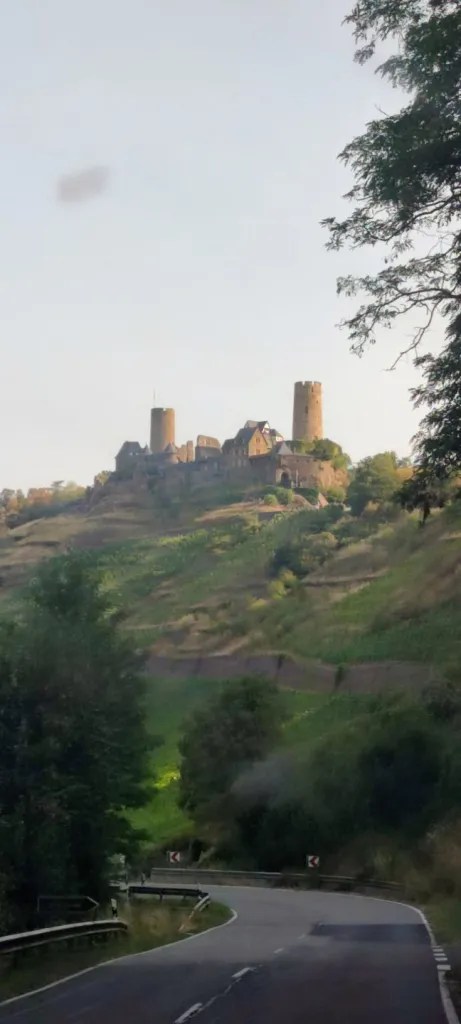
- Consider renting a car. Although public transport and tourist boats are available, a car offers greater freedom to explore scenic viewpoints and lesser-known villages. Bear in mind that some roads are narrow and winding.

