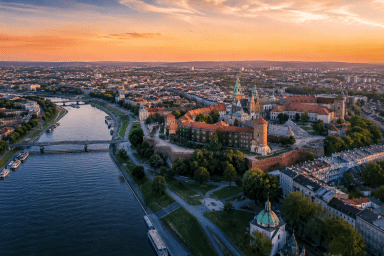
If there is one city capable of captivating any traveler from the very first moment, it is Kraków. Considered the cultural heart of Poland, it combines a beautifully preserved historic center, medieval legends, a profound history linked to the Second World War, and outstanding cuisine. It is also the perfect base for some of the country’s most interesting day trips.
If you are planning a trip, here is everything you shouldn’t miss in Kraków, a city that uniquely combines the beauty of its medieval heritage with a powerful recent history. Whether you’re planning a weekend getaway or using it as a base to explore southern Poland, Kraków is one of those European destinations that exceeds all expectations and, once visited, always leaves you wanting to return.
WAWEL CASTLE AND THE LEGEND OF THE SMOK DRAGON
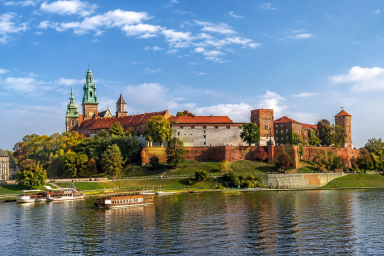
The must-see visit begins on Wawel Hill, home to the magnificent Royal Wawel Castle and the cathedral where many of Poland’s kings were crowned and buried.
Beyond its historical significance, this site is surrounded by one of the country’s most famous legends: that of the Smok Wawelski, the Wawel Dragon. According to tradition, a fearsome dragon lived in a cave beneath the hill and terrorized the people of Kraków until a young shoemaker defeated it by feeding it a sheep stuffed with sulfur. After eating it, the dragon became so thirsty that it drank enormous amounts of water from the Vistula River until it burst.
Today, visitors can explore the Dragon’s Den and admire the famous dragon statue, which breathes real fire every few minutes.
THE JEWISH QUARTER OF KAZIMIERZ
One of Kraków’s most distinctive neighborhoods is Kazimierz, the city’s historic Jewish Quarter. Its streets retain a bohemian atmosphere filled with cafés, art galleries, bookstores, and historic buildings. Before the Second World War, it was one of the most important centers of Jewish life in Europe. After decades of neglect, it has become one of the liveliest districts in the city.
While you’re here, it’s well worth visiting some of its synagogues and, above all, enjoying traditional Jewish cuisine. Among the most recommended restaurants are Ariel, famous for its traditional dishes and live klezmer music performances; Klezmer Hois, housed in a historic building with a unique atmosphere; and Hamsa, which serves cuisine inspired by Jewish and Middle Eastern traditions.
THE OLD JEWISH CEMETERY
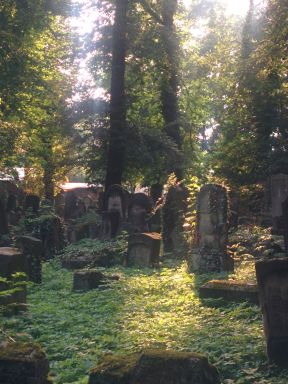
Just a short walk away lies the Old Jewish Cemetery (Remuh), one of the most moving places in Kraków. Founded in the 16th century, it preserves numerous original gravestones that survived the Nazi occupation. During the war, many were destroyed, but the fragments were later recovered and used to build a memorial wall, creating a powerful symbol of remembrance and resilience.
It is a peaceful place that invites visitors to reflect on the history of the city’s Jewish community.
OSKAR SCHINDLER’S FACTORY
Another must-visit attraction is Oskar Schindler’s Enamel Factory, now transformed into one of Poland’s finest historical museums. The museum explains what life was like in Kraków during the German occupation and tells the story of the city’s Jewish population through photographs, original artifacts, reconstructed settings, and personal testimonies.
Schindler’s story, made world-famous by the film Schindler’s List, takes on a much deeper human dimension here, offering visitors a greater understanding of one of the darkest chapters of the 20th century.
GHETTO HEROES SQUARE AND THE EMPTY CHAIRS
Located in the former Jewish ghetto, Ghetto Heroes Square is home to one of Kraków’s most powerful memorials. Dozens of bronze chairs scattered across the square symbolize the furniture abandoned by Jewish families when they were deported to the concentration camps. It is a simple yet deeply moving tribute that commemorates the thousands of victims of the Holocaust.
A WALK ALONG THE VISTULA RIVER AND THE OLD CITY WALLS
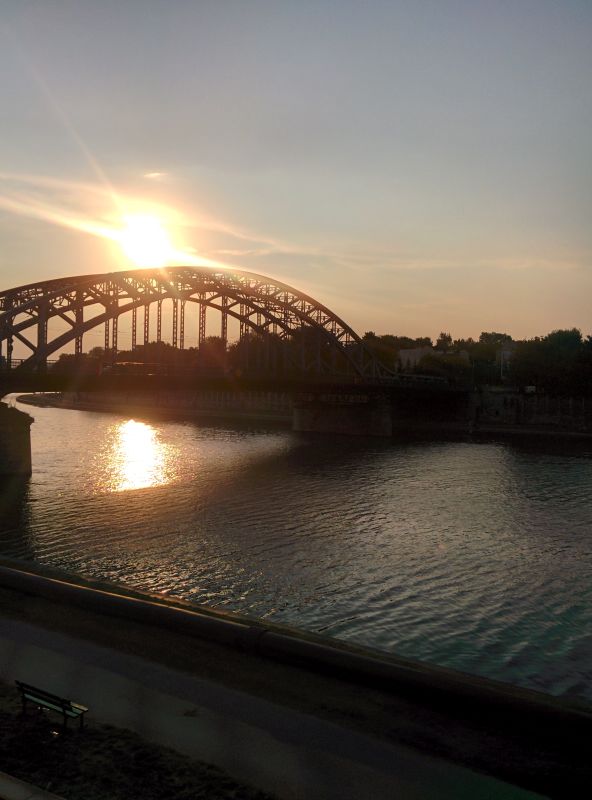
After exploring so many historical landmarks, there’s nothing better than taking a stroll along the banks of the Vistula River. The riverside promenade offers magnificent views of Wawel Castle and is one of the favorite spots for both visitors and locals alike.
It’s also worth walking through the park that now occupies the site of Kraków’s former medieval walls. Parts of the original fortifications still remain, including the impressive St. Florian’s Gate and the spectacular Barbican, one of the best-preserved medieval defensive fortresses in Europe.
ST. MARY’S BASILICA AND THE FAMOUS HEJNAŁ
Standing proudly in the heart of the Main Market Square is the city’s most famous church: St. Mary’s Basilica (Kościół Mariacki). Inside, visitors are greeted by the magnificent wooden altarpiece carved by Veit Stoss, widely regarded as one of the masterpieces of Gothic art.
The most unique tradition, however, takes place in the church tower. Every hour, every day of the year, a trumpeter plays the Hejnał Mariacki, a traditional melody that suddenly stops mid-performance. According to legend, it commemorates the watchman who warned the city of a Mongol invasion before being struck by an arrow while playing.
THE MAIN MARKET SQUARE AND THE AMBER STALLS
The Main Market Square (Rynek Główny) is one of the largest medieval squares in Europe and the true heart of Kraków. At its center stands the historic Cloth Hall (Sukiennice), where numerous stalls sell local handicrafts, souvenirs, and especially amber jewelry, one of Poland’s most iconic natural treasures.
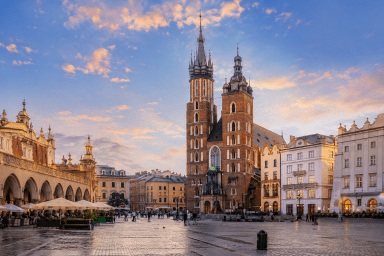
Beneath the square lies another of Kraków’s hidden gems: the Rynek Underground Museum. Thanks to archaeological remains and elevated walkways, visitors can discover what medieval Kraków looked like more than seven hundred years ago.
WHAT TO EAT IN KRAKÓW
Polish cuisine is far more diverse than many people imagine. The country’s most famous dish is pierogi, delicious dumplings filled with meat, cheese, potatoes, mushrooms, or fruit.

Another local specialty is żurek, a traditional sour rye soup made with fermented flour and often served inside a loaf of bread, as well as bigos, a hearty stew prepared with sauerkraut and a variety of meats.
To accompany your meal, be sure to try a glass of mead (miód pitny), a honey-based alcoholic drink whose tradition dates back to the Middle Ages and remains very popular throughout Poland.
For a quick street-food snack, don’t miss the chance to try an obwarzanek, the distinctive ring-shaped bread sold from stalls all over the city center.
THE BEST DAY TRIPS FROM KRAKÓW
One of the greatest advantages of staying in Kraków is the variety of day trips that can easily be made from the city.
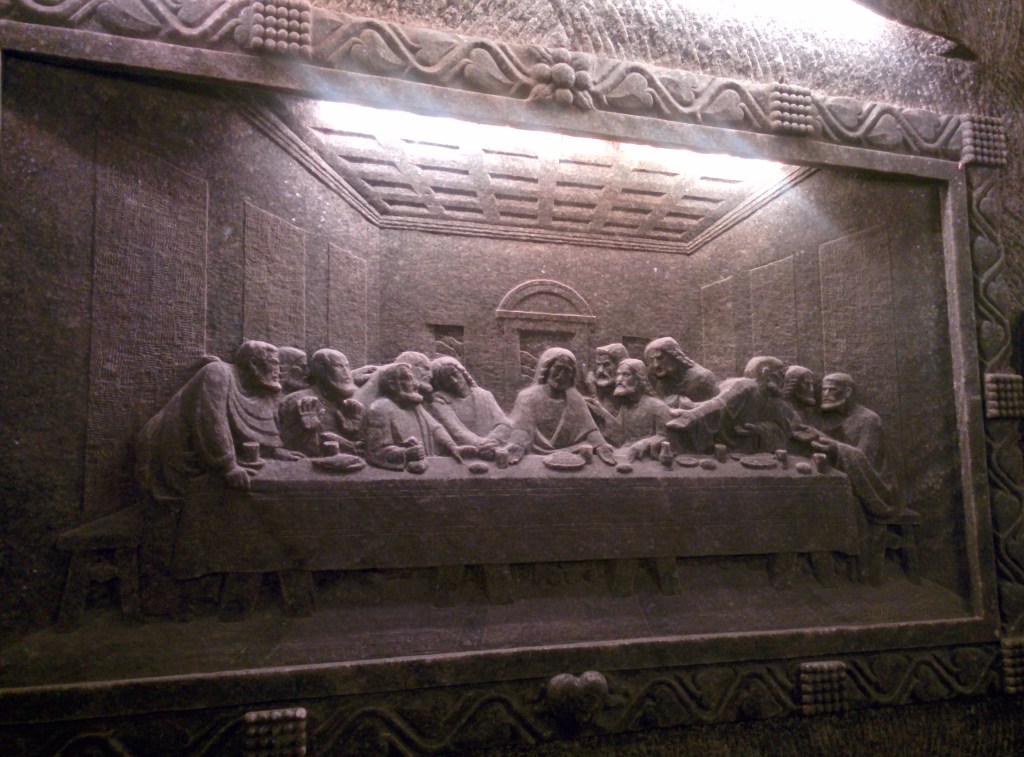
The Wieliczka Salt Mine, a UNESCO World Heritage Site, offers visitors the chance to explore underground galleries carved entirely from salt, underground lakes, intricate sculptures, and even a spectacular chapel sculpted entirely from this remarkable mineral.
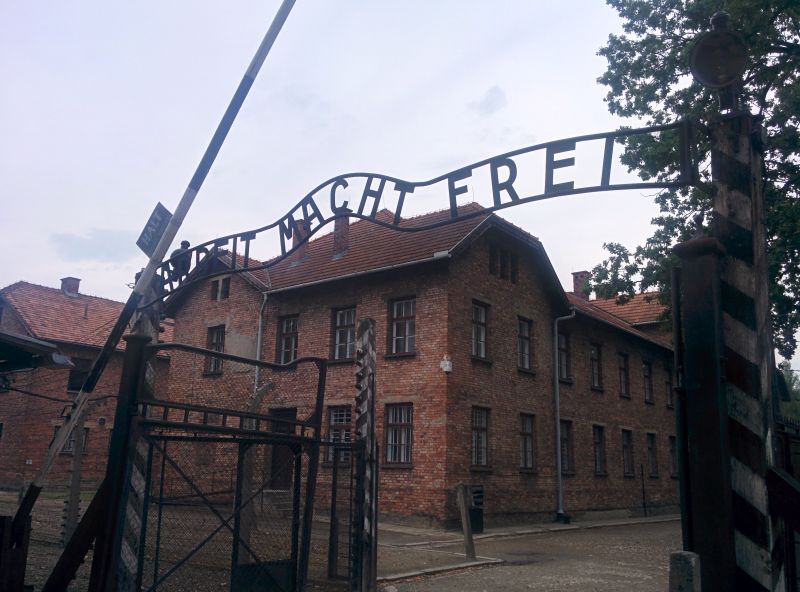
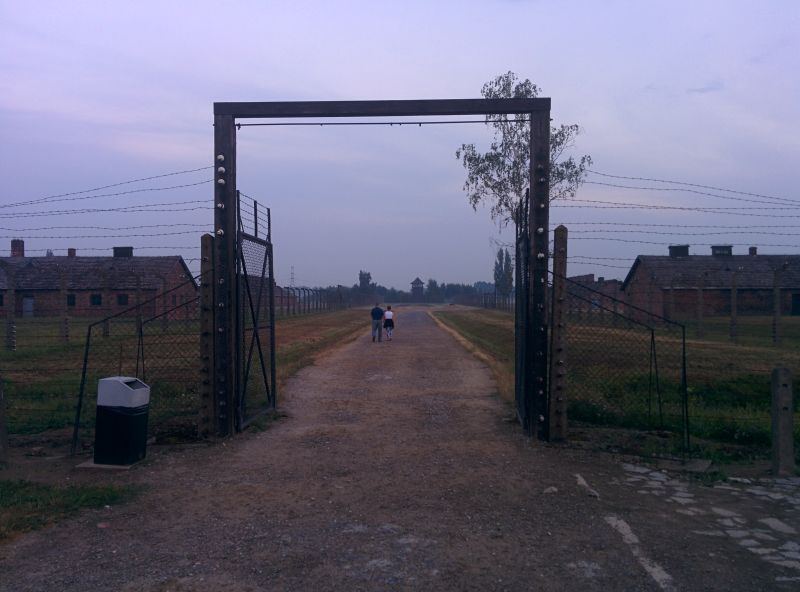
Another essential excursion is Auschwitz-Birkenau (Oświęcim), the largest concentration and extermination camp built by Nazi Germany. Although emotionally challenging, visiting the memorial is an important experience that helps visitors understand the scale of the Holocaust while honoring the memory of its victims.
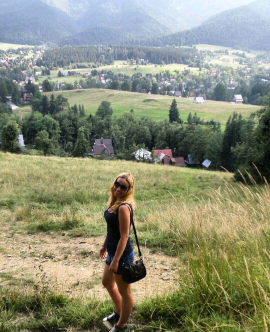
If you’re looking for mountains and nature, Zakopane, known as the capital of the Tatra Mountains, offers beautiful hiking trails, traditional wooden architecture, and spectacular scenery throughout the year.
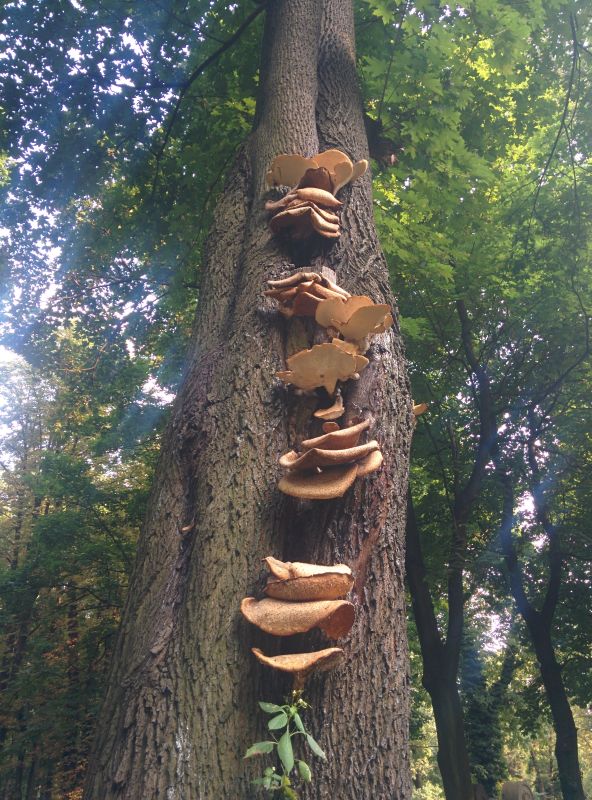
Finally, Ojców National Park, located just a short drive from Kraków, is perfect for travelers who want to discover castles, caves, dramatic limestone rock formations, and peaceful forests away from the crowds.
TIPS:
- If you visit Kazimierz, don’t leave without trying a zapiekanka, one of Poland’s most iconic street foods. It consists of half a toasted baguette traditionally topped with sautéed mushrooms and melted cheese, although today you’ll find countless variations featuring ham, salami, chicken, vegetables, and a wide range of sauces. The best place to try one is Plac Nowy, where several small stalls have been serving this Polish fast-food classic for decades. It’s an affordable, filling meal and the perfect way to recharge while exploring the streets of the former Jewish Quarter.
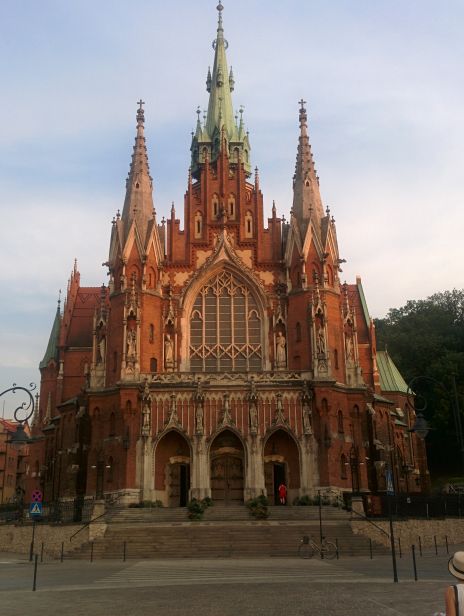
- Take advantage of Kraków’s excellent tram network if you need to travel to places such as Oskar Schindler’s Factory or the Podgórze district. Trams are fast, inexpensive, and very easy to use.


pierogis are the best !!
LikeLike