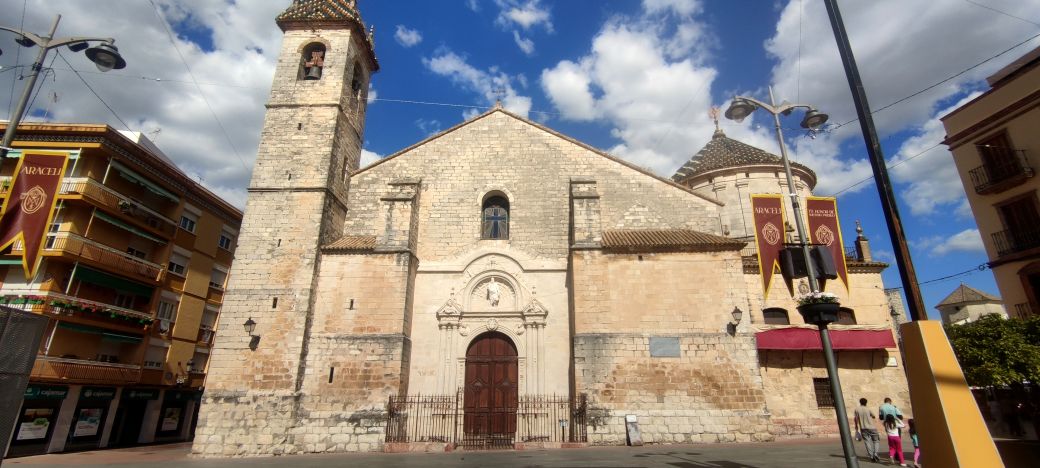
There are places that stand out for their heritage, others for their cuisine, and some for the beauty of their natural surroundings. Lucena, located in the south of the province of Córdoba, has the unique advantage of combining all three. This Andalusian city, surrounded by vast olive groves and set in a privileged position between the Subbética mountain range, is an ideal destination for those seeking culture, tradition, and outdoor activities.
Known as the “Pearl of Sepharad” due to the importance of its Jewish community during the Middle Ages, Lucena preserves a rich historical legacy that coexists with a deeply rooted olive oil culture and a growing offer of active tourism. Whether you are planning a weekend getaway or a longer holiday in inland Andalusia, you will find more than enough reasons to include it in your itinerary.
A WALK THROUGH THE HISTORY OF LUCENA
Walking through Lucena’s historic center is like travelling through centuries of history. Its streets preserve the character of a city that was once an important cultural, commercial, and religious hub during different stages of its development.
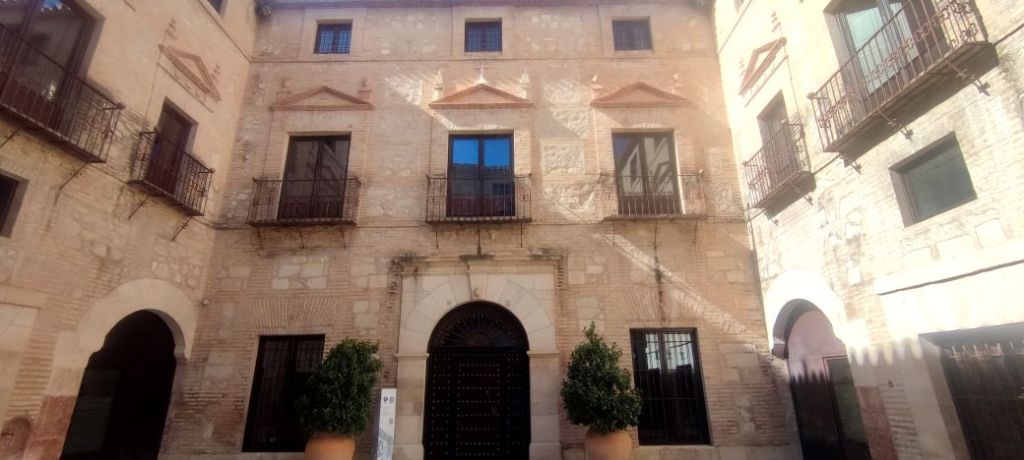
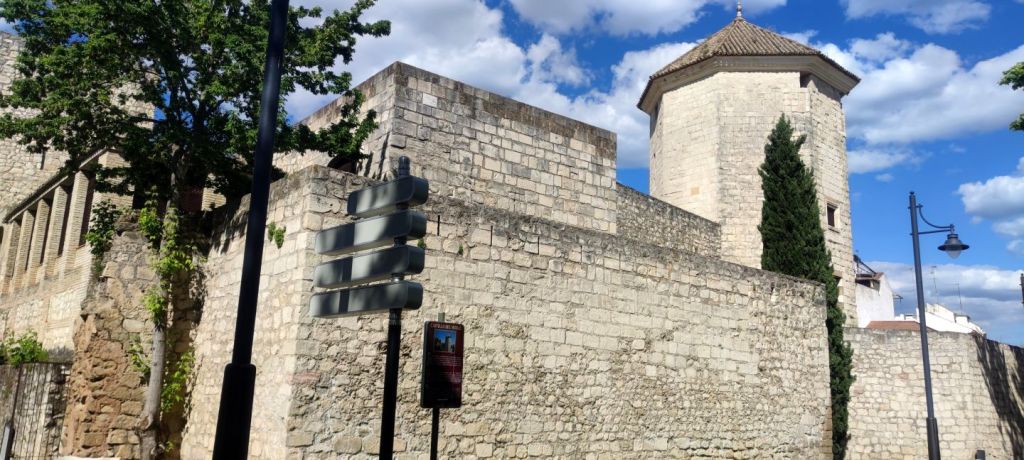
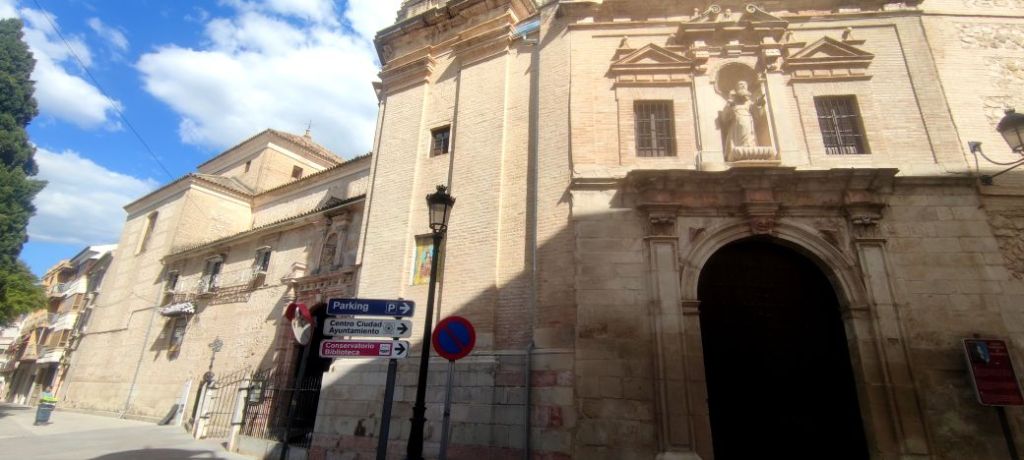
One of the most emblematic monuments is the Castillo del Moral, a fortress that dominates part of the urban landscape and stands as one of the city’s most recognizable landmarks. Within its walls lie fascinating historical episodes and it also houses the Lucena Archaeological and Ethnological Museum, an essential visit to understand the city’s evolution from ancient times to the present day. It is probably the most important museum. Its collections display pieces ranging from prehistory to more recent periods, allowing visitors to discover how the city has evolved over the centuries. Of particular interest are the findings related to Lucena’s Jewish past, one of the most distinctive aspects of its heritage. For centuries, the city was an important Hebrew cultural center and even hosted one of the most influential Jewish communities in the Iberian Peninsula.
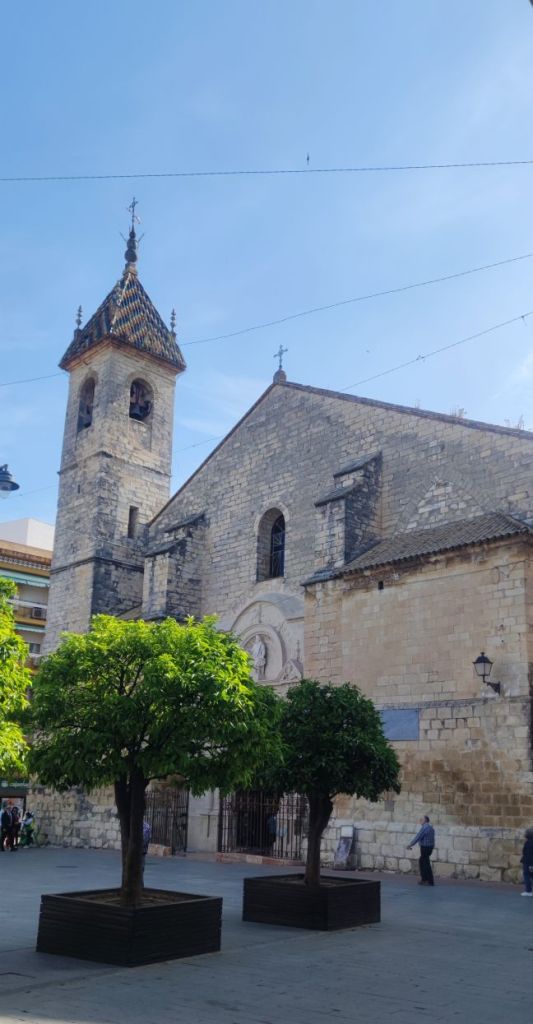
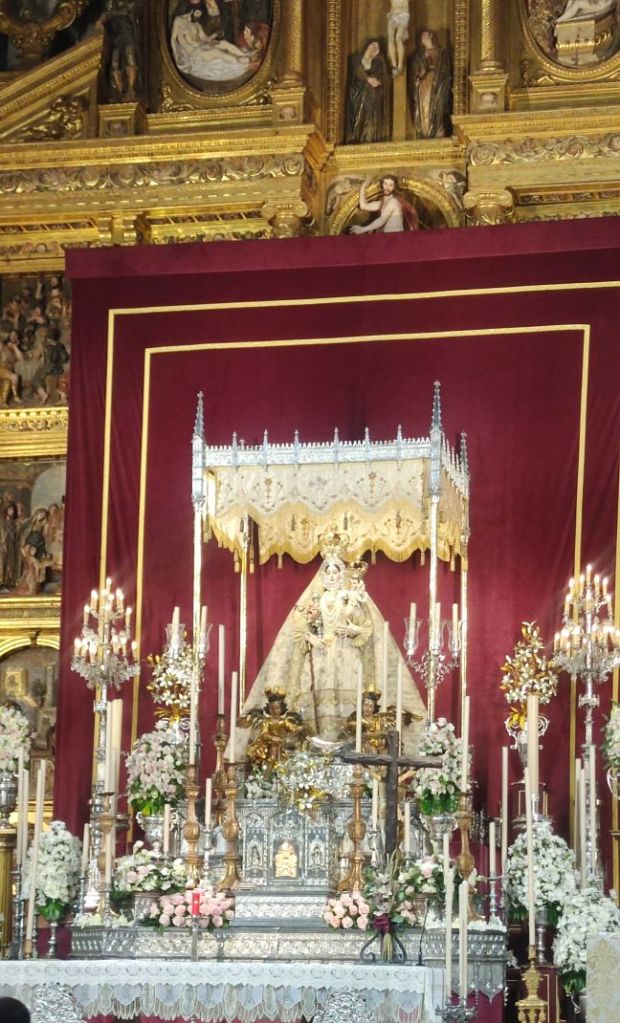
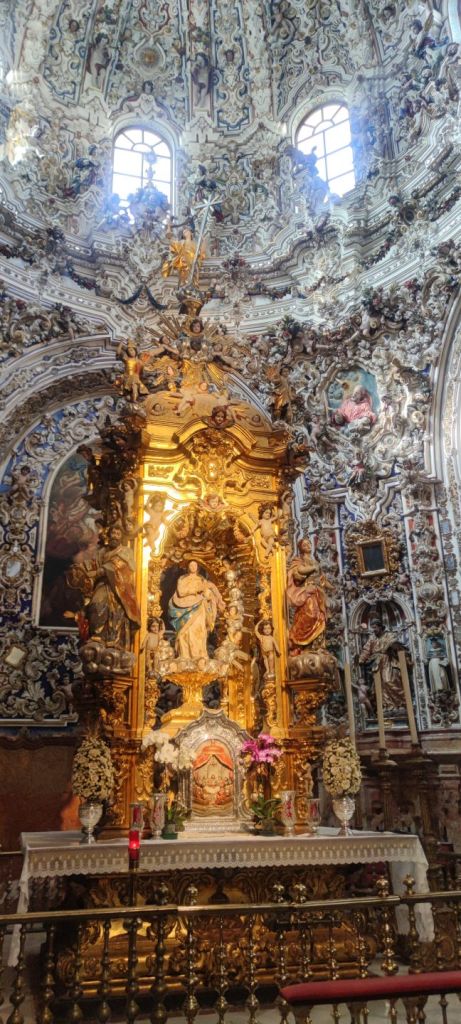
Very close by stands the Church of San Mateo, considered one of the great jewels of Cordoban Baroque architecture. Its spectacular Chapel of the Sagrario amazes even those accustomed to visiting historic temples. The ornate decoration, sculptural details, and sense of grandeur make this space one of the most outstanding artistic treasures in the province.
Another place worth visiting is the Sanctuary of Nuestra Señora de Araceli, located in a privileged setting on the Sierra de Aras. In addition to its religious significance, it offers breathtaking panoramic views that allow visitors to admire much of the Cordoban landscape and, on clear days, even distant neighboring provinces.
OLIVE OIL, A TRADITION TO BE TASTED
To speak of Lucena is to speak of olive groves. The vast fields of olive trees surrounding the city form its most characteristic landscape and have shaped the economy, culture, and identity of the region for centuries. Extra virgin olive oil is much more than a culinary product: it is a true symbol of local identity.
To experience this tradition firsthand, oleotourism experiences organized by local mills and cooperatives are becoming increasingly popular. These visits allow guests to learn about the olive oil production process, from harvesting the olives to transforming them into one of the flagship products of the Mediterranean diet. The experience usually ends with a guided tasting, an ideal activity to learn how to recognize the aromas and flavors that distinguish a high-quality olive oil. Fruity notes, herbal nuances, and light almond undertones are some of the elements experts help identify. Many of these tastings are complemented with local products, making them an excellent opportunity to explore Lucena’s rich gastronomy and understand the importance of olive oil in the lives of its inhabitants.
THE OLIVE OIL GREENWAY: NATURE, SPORT AND UNIQUE LANDSCAPES
In addition to its historical and gastronomic heritage, Lucena is an excellent destination for outdoor enthusiasts thanks to the Olive Oil Greenway (Vía Verde del Aceite). This route follows the path of a former railway line and has become one of the most attractive cycling routes in Andalusia.
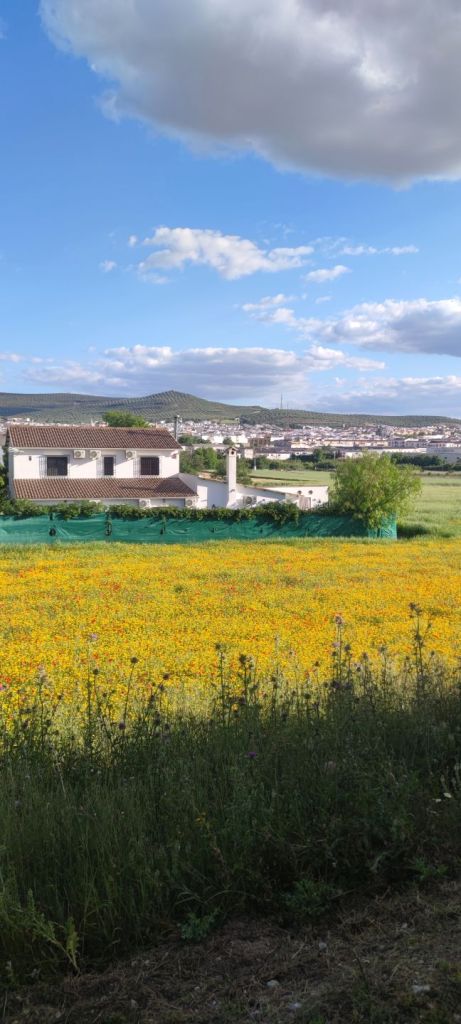
Its comfortable and accessible path crosses landscapes dominated by endless olive groves, old viaducts, and restored railway stations, offering a different way to discover the natural surroundings of the Subbética region. From Lucena, it is possible to connect with sections leading to charming towns such as Cabra, Doña Mencía, Zuheros, and Luque, combining sport, nature, and heritage in a single experience.
Whether by bicycle or on foot, the Olive Oil Greenway allows visitors to enjoy some of the most representative landscapes of inland Andalusia. Along the route, travelers will find natural viewpoints, resting areas, and spectacular panoramic views that turn every stretch into an invitation to pause and admire the surroundings. It is the perfect activity to complete a visit to Lucena and to discover the close connection between the city, its olive groves, and the land that surrounds it.
TIPS:
• Choose the right time of year: Lucena is especially enjoyable in spring and autumn, when temperatures are mild and the olive grove landscapes are at their best. In summer, it can get quite hot, so it is advisable to plan monument visits early in the day and leave outdoor activities for the evening.
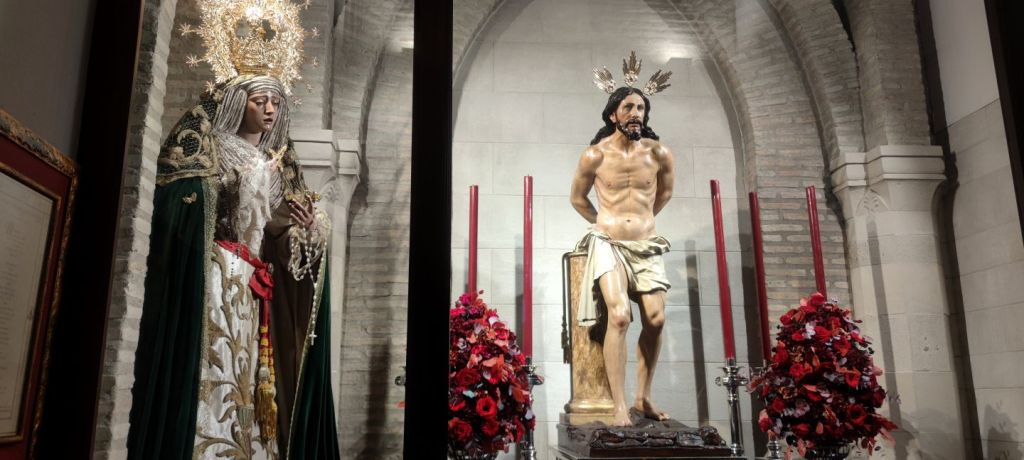
• Take advantage of local festivals and traditions: if you have the opportunity, try to coincide with a local celebration. Lucena’s Holy Week is one of the most remarkable in Andalusia, both for its artistic value and its deep-rooted tradition. The pilgrimage of the Virgen de Araceli also offers a very authentic experience to understand the devotion and festive character of the city.

