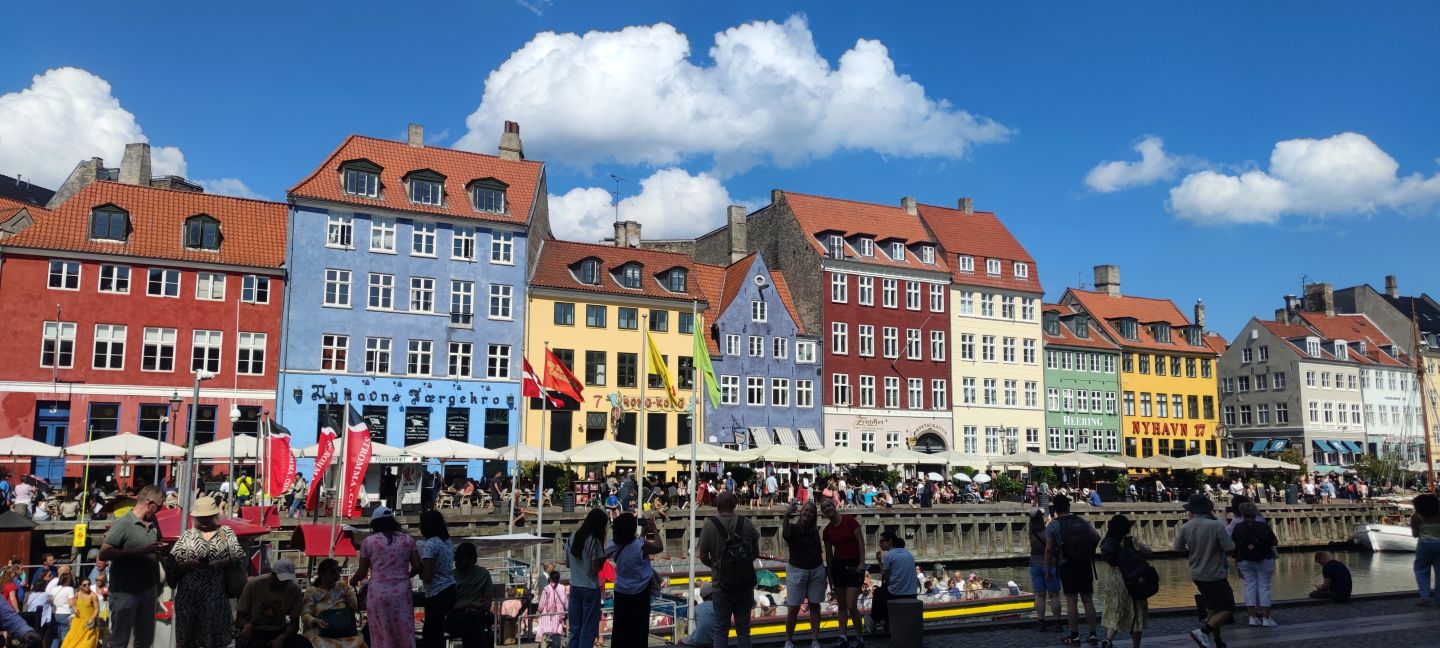
Exploring southern Denmark by car means discovering a country of peaceful landscapes, charming villages, forests, white cliffs and cities where cycling is part of everyday life. It is the perfect trip for combining nature, history and culture, travelling at your own pace along quiet country roads and stopping in places that seem to have come straight out of a Nordic fairy tale. From the traditional thatched-roof houses of Tønder to the deer roaming Jægersborg Dyrehave, this journey ends in fascinating Copenhagen, a capital that deserves several days of exploration.
TØNDER AND THE CHARM OF TRADITIONAL HOUSES
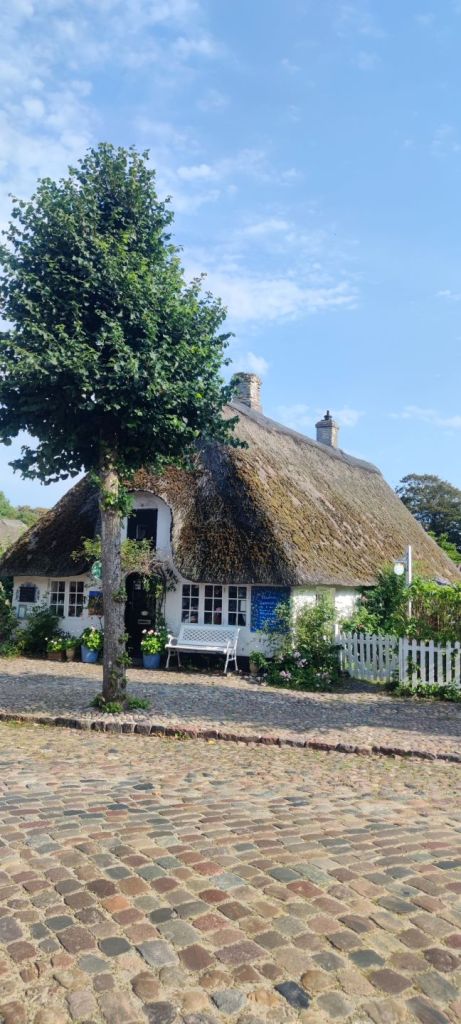
Starting the journey in Tønder, close to the German border, allows you to immediately immerse yourself in the atmosphere of Southern Jutland. Its cobbled streets, small squares and old merchants’ houses preserve the region’s distinctive architectural character. Uldgade is particularly picturesque, with its narrow, traditional houses.
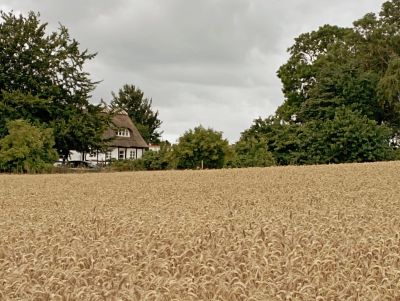
One of the details that immediately catches the eye is the traditional thatched roofs, which blend beautifully into the surrounding rural landscape. Tønder is a place to explore slowly, perhaps stopping at a local café and enjoying the feeling of stepping back into a historic Danish town that has retained its unique character. The old Drøhses House, a magnificent 17th-century Baroque residence, is also well worth visiting.
RIBE: A JOURNEY INTO MEDIEVAL DENMARK
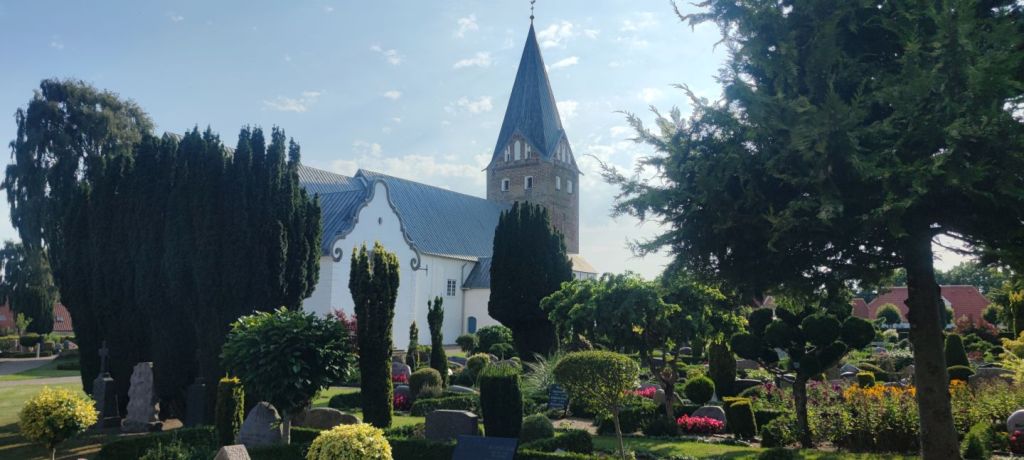
From Tønder, continue towards Ribe, considered the oldest town in Denmark. Here, the journey takes on a completely different atmosphere: narrow streets, half-timbered houses, historic squares and ancient buildings create one of the most beautiful old towns in the country.
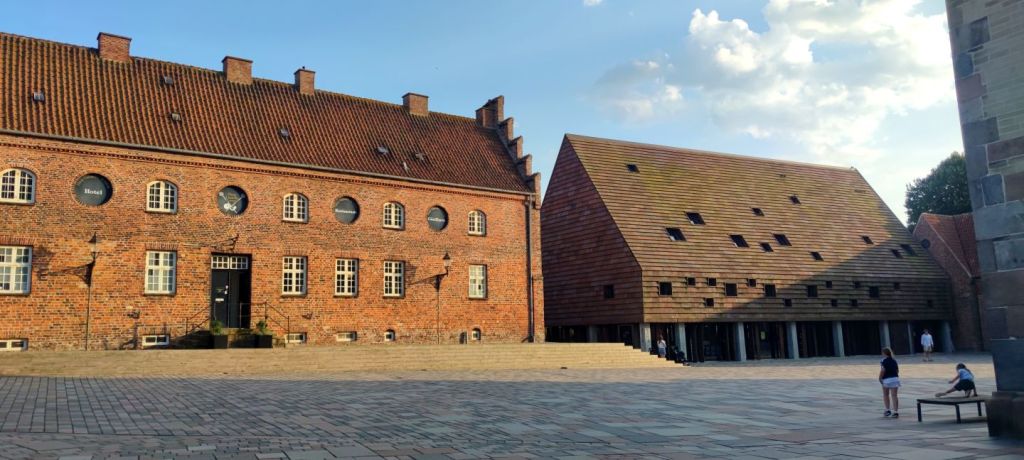
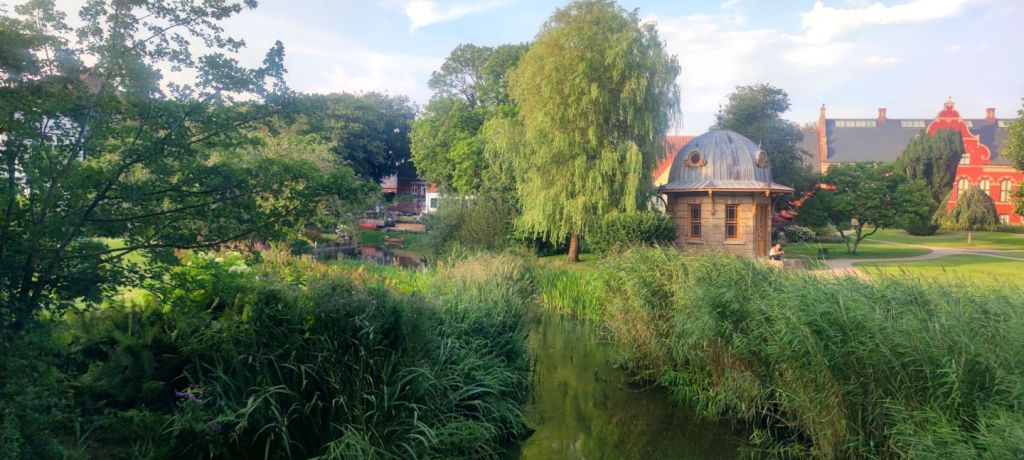
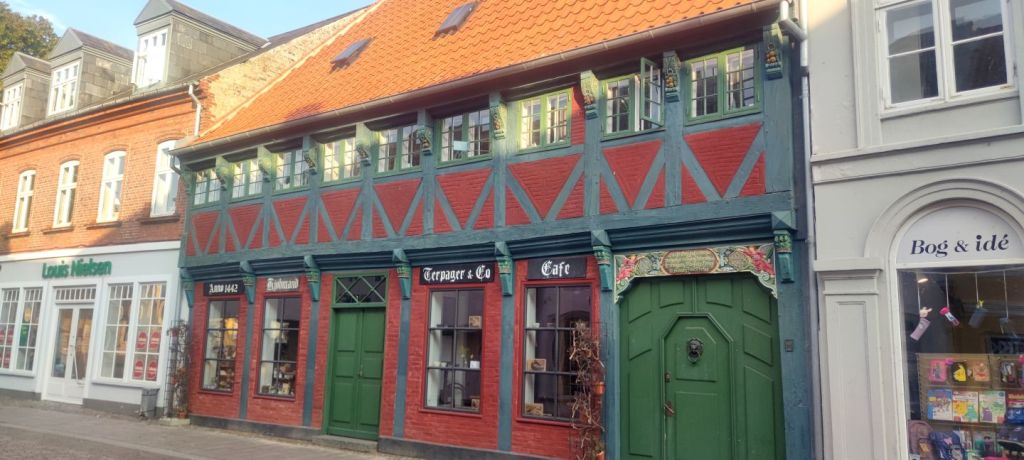
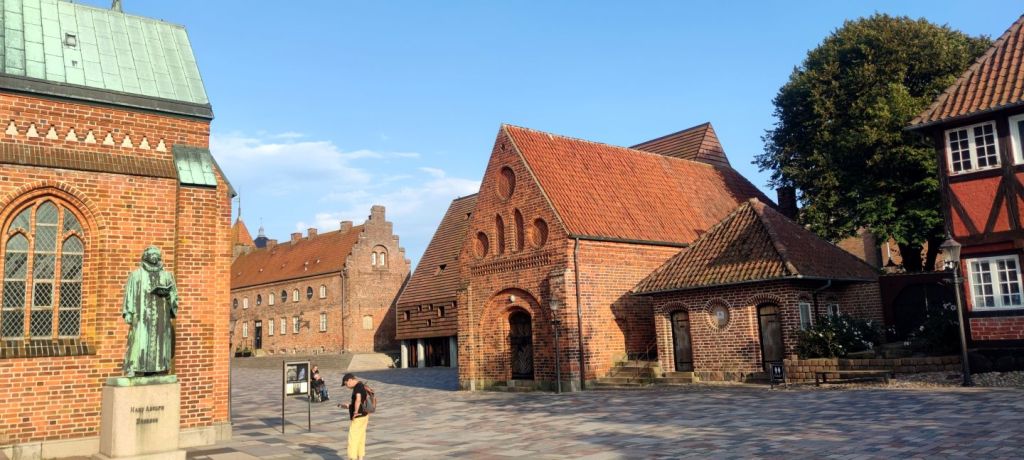
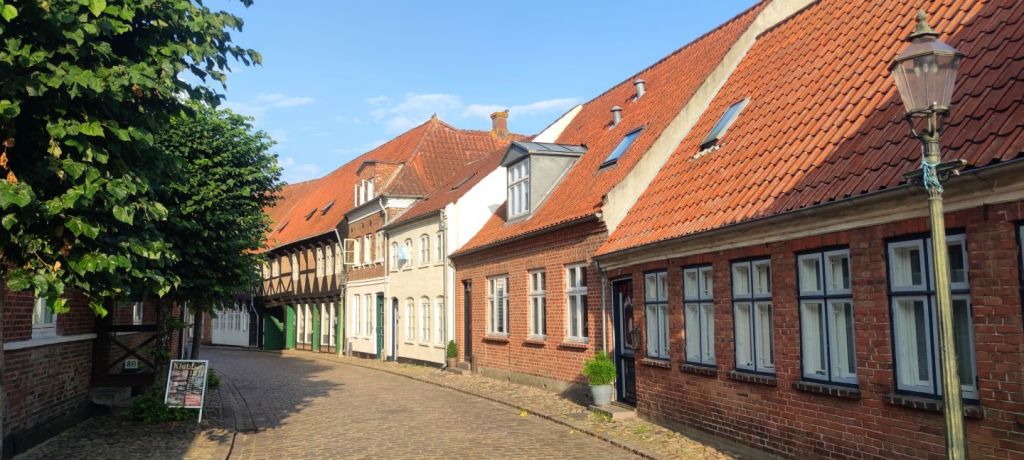
Ribe has around 1,300 years of history and retains an exceptional medieval atmosphere. The best way to experience it is simply to wander through its streets and make your way to the impressive Ribe Cathedral. It is also worth exploring the historic streets along the Ribe Å river, where many traditional houses have been beautifully preserved.
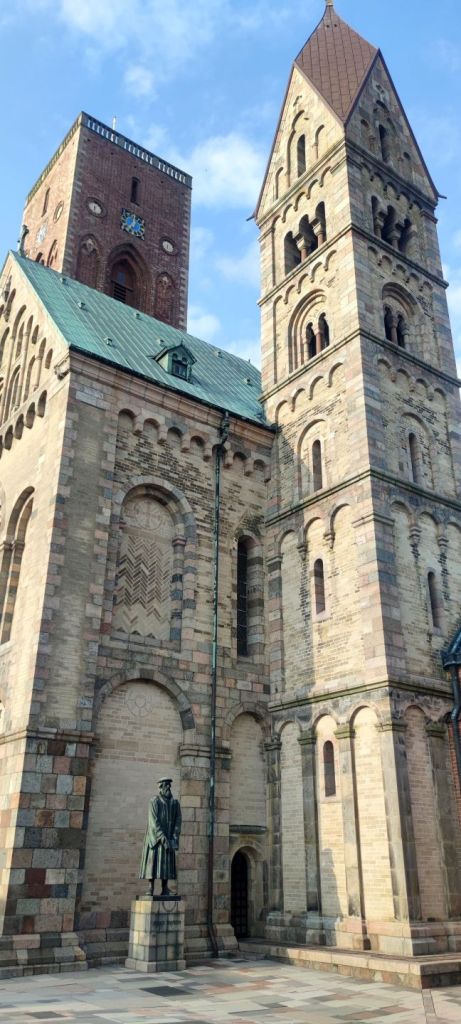
From Ribe, you can extend your excursion towards the Wadden Sea National Park, an area of extraordinary natural richness that can be explored on foot, by bicycle or by car.
MØNS KLINT: DENMARK’S GREAT WHITE CLIFFS
The journey continues to the island of Møn, home to one of Denmark’s most spectacular natural landscapes: Møns Klint. These impressive chalk cliffs stretch for around six kilometres along the Baltic Sea, reaching approximately 120 metres high in some places.
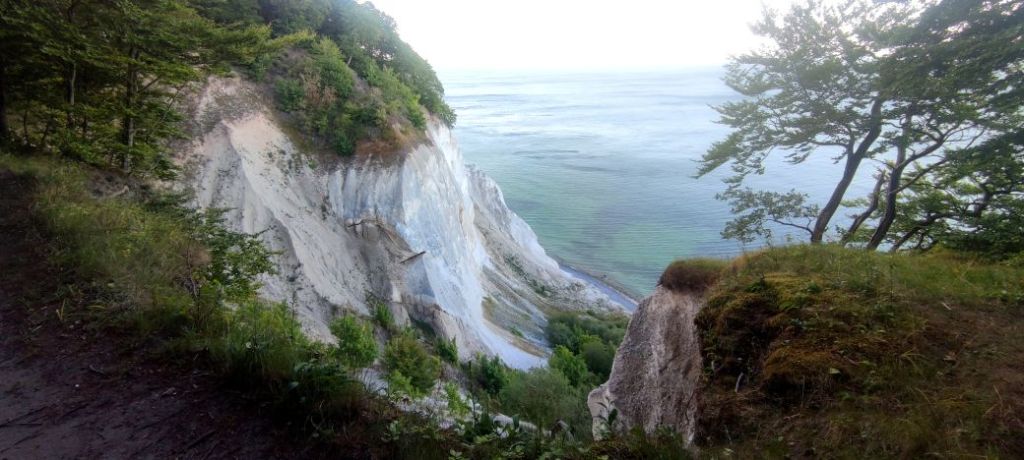
This is the moment to leave the car behind and put on your hiking boots. Trails run through the forests and along the tops of the cliffs, while stairways lead down to the beach. The contrast between the brilliant white chalk, blue sea and green forest makes this one of the highlights of the entire journey.
There are hiking routes suitable for different levels of fitness, so you can spend a few hours walking or devote an entire day to exploring the area. The views from the cliffs are spectacular, particularly on clear days.
ROSKILDE AND THE VIKING SHIPS
The next major stop is Roskilde, the former capital of Denmark and a city closely connected with the country’s Viking history. Its greatest attraction is the Viking Ship Museum, located beside Roskilde Fjord.
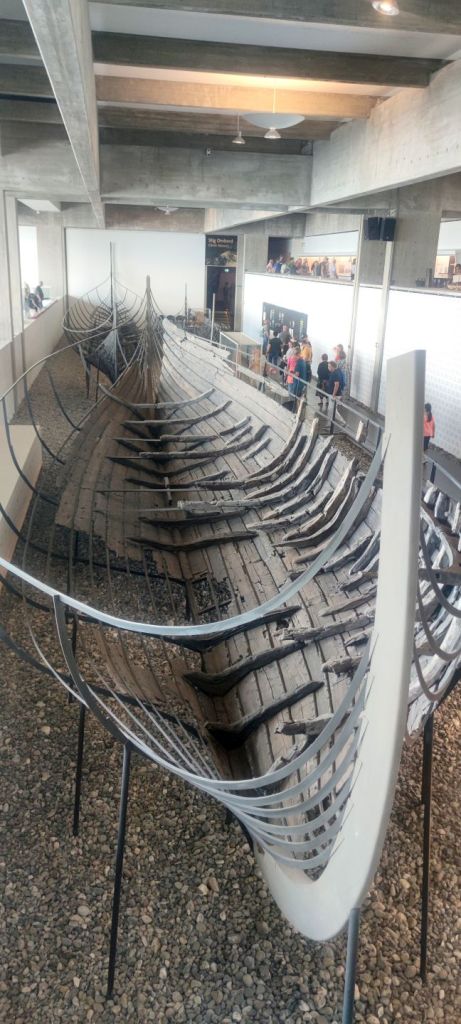
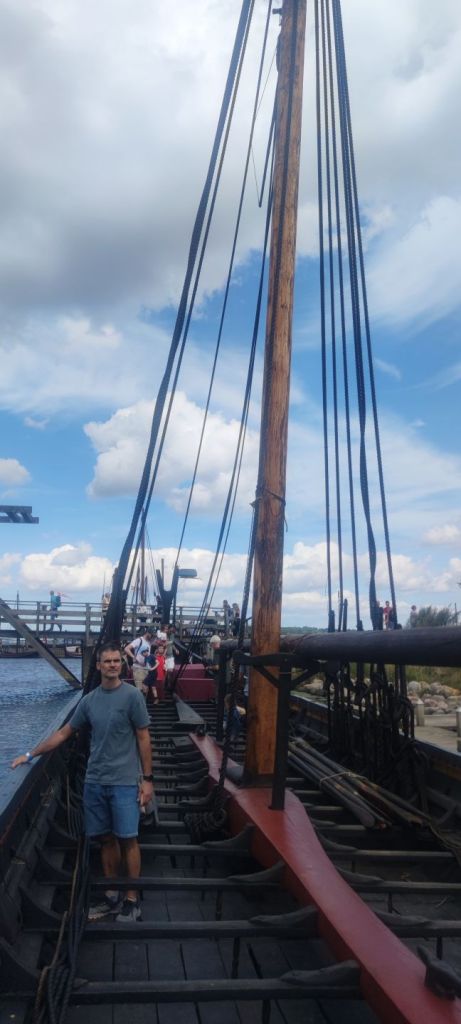
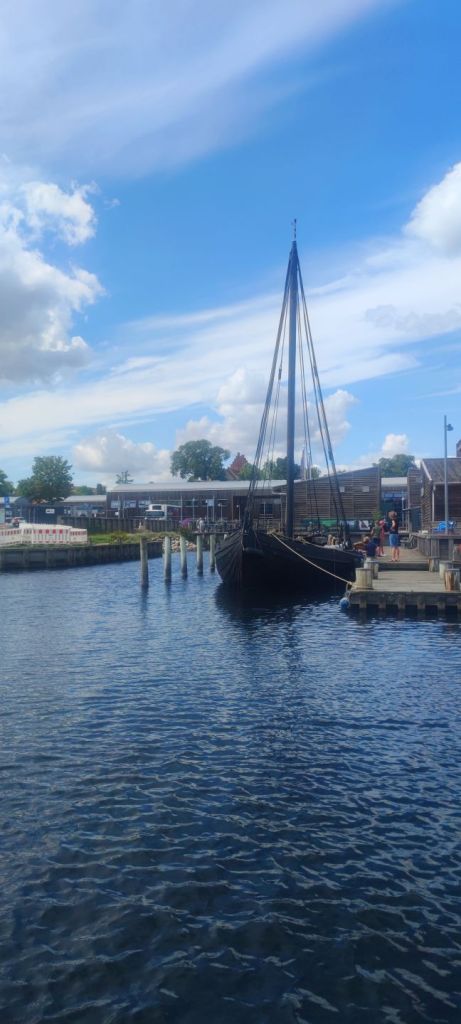
The museum houses five original Viking ships discovered in the fjord. They were deliberately sunk around a thousand years ago to block the navigational routes leading towards Roskilde. The museum is more than an exhibition space. Its boatyard continues to build vessels using traditional Viking techniques, and during the season visitors can even sail on replicas of Viking ships across the fjord.
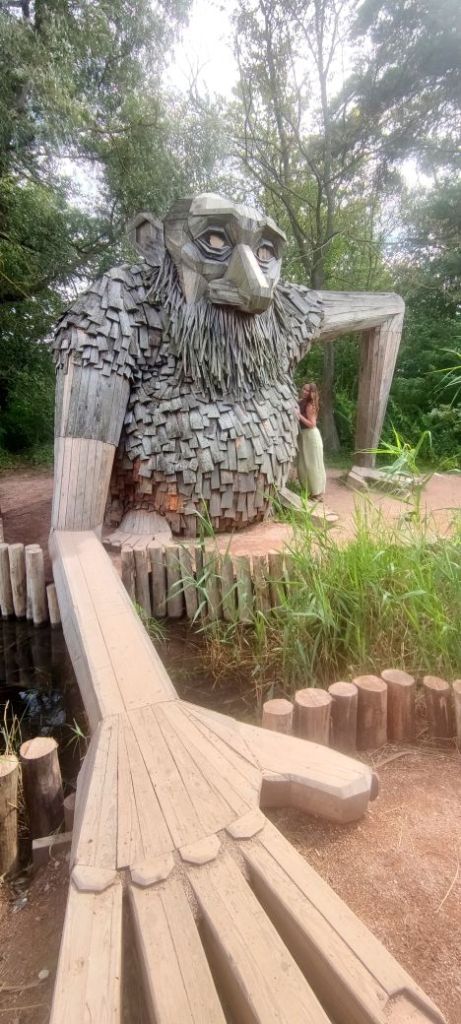
Before leaving Roskilde, it is worth visiting Roskilde Cathedral, one of Denmark’s most important historic monuments and the burial place of numerous Danish monarchs.
COPENHAGEN: DISCOVER THE CAPITAL BY BICYCLE
The journey eventually reaches Copenhagen, a city that is particularly enjoyable to explore on two wheels. Renting a bicycle allows you to move around quickly while experiencing the city in much the same way as local residents do. Copenhagen has an extensive network of cycle lanes, making cycling one of the best ways to discover its neighbourhoods, parks and waterfront areas.
One excellent option is the Harbour Circle, a route of around 13 kilometres following the harbour and connecting areas such as Nyhavn, Christianshavn, Islands Brygge, Vesterbro and Sydhavn. Along the way, you will encounter houseboats, green spaces, contemporary architecture, bridges and harbour swimming areas.
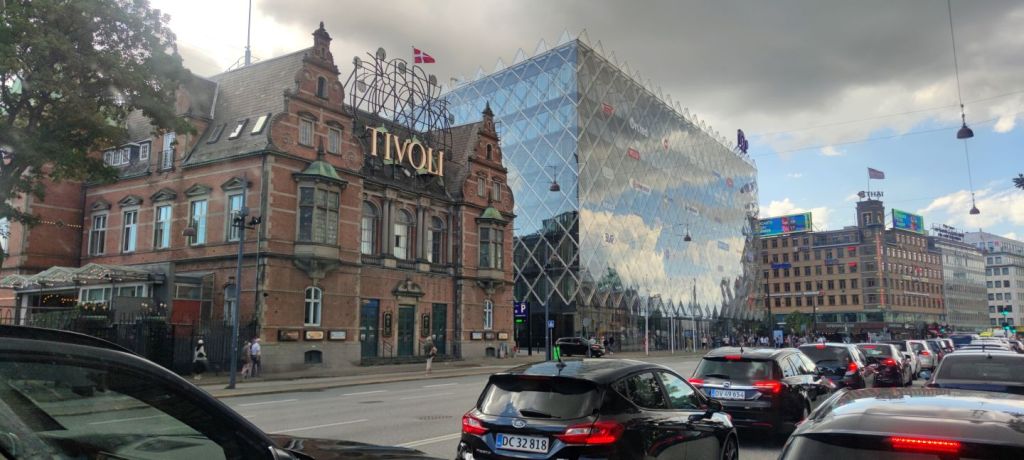
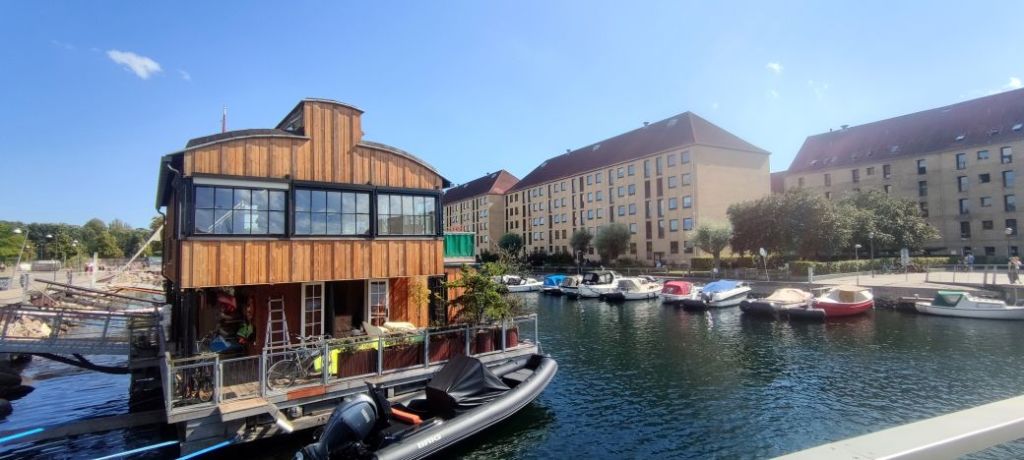
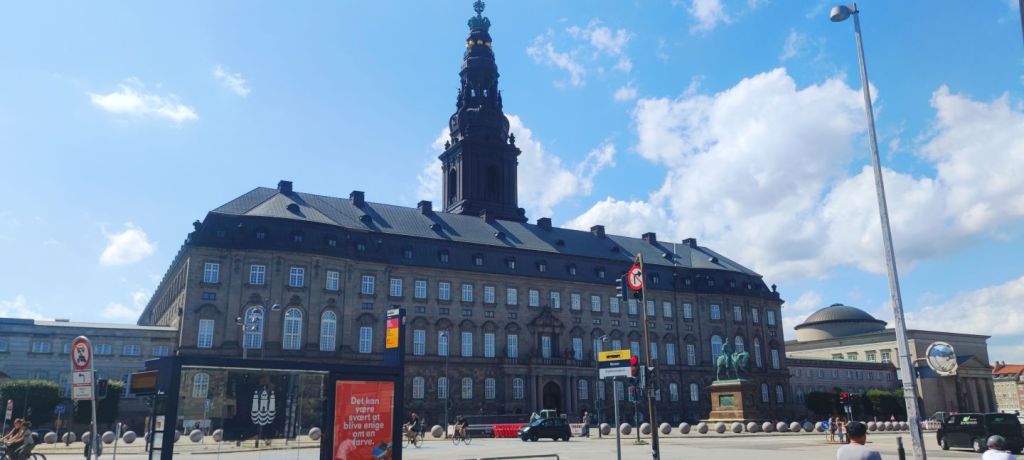
In the city centre, make time to visit Copenhagen’s palaces and royal buildings, stroll through its beautiful parks and head towards Nyhavn, one of the capital’s most recognisable and photogenic spots.
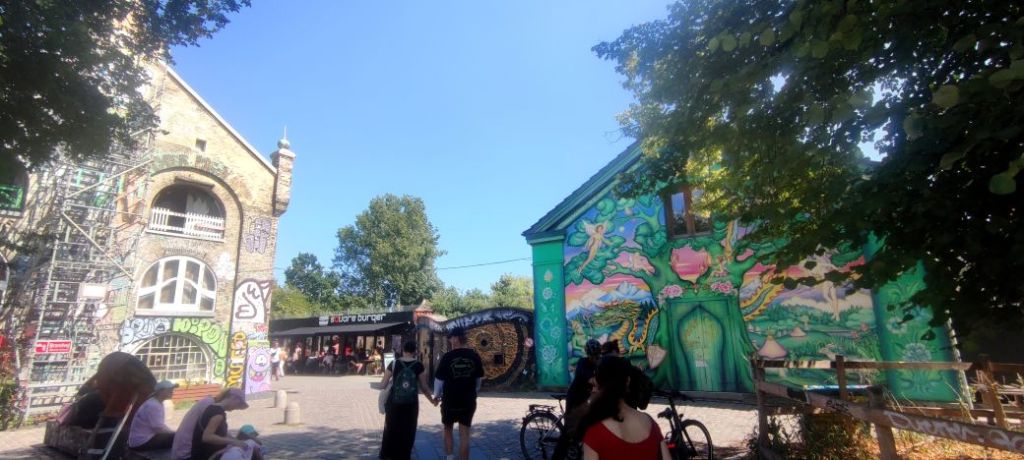
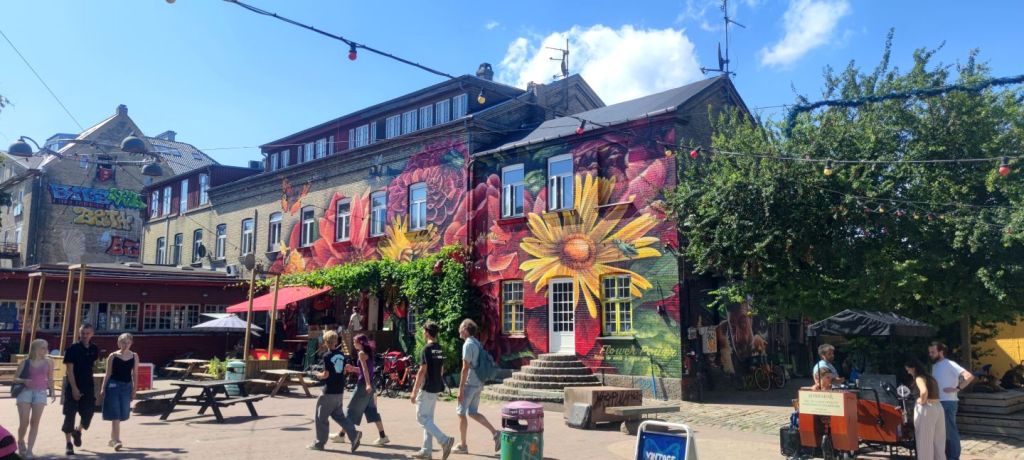
Another fascinating place is Christiania, the famous alternative community in the heart of Copenhagen. Its colourful buildings, creative spaces, gardens and distinctive atmosphere make it completely different from the rest of the city.
And, of course, there is Tivoli Gardens, the historic amusement park located next to Copenhagen Central Station. Founded in 1843, Tivoli combines rides, gardens, restaurants, concerts and entertainment. In the evening, its lights create a particularly magical atmosphere.
JÆGERSBORG DYREHAVE: A FINAL ENCOUNTER WITH DEER
Yet perhaps the most memorable final stop on the journey is Jægersborg Dyrehave, a vast historic natural park just north of Copenhagen. Around 2,000 deer live here, including red deer and fallow deer.
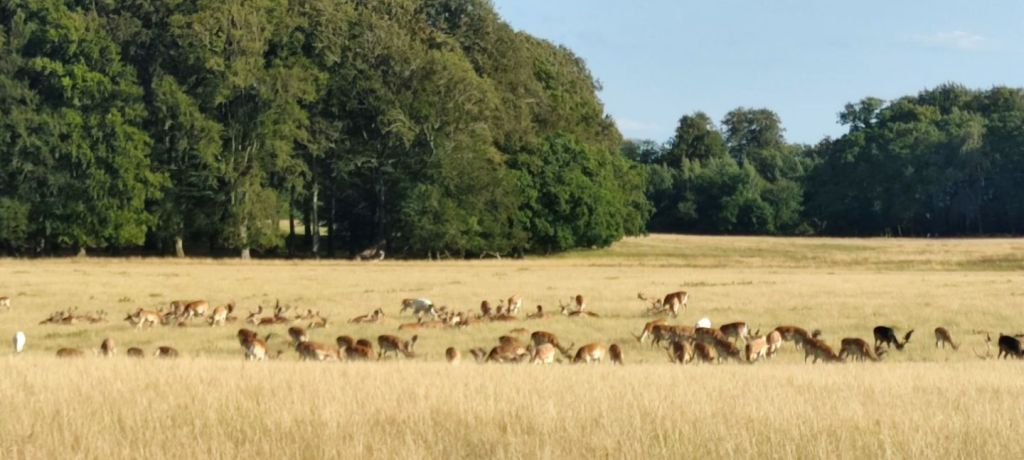
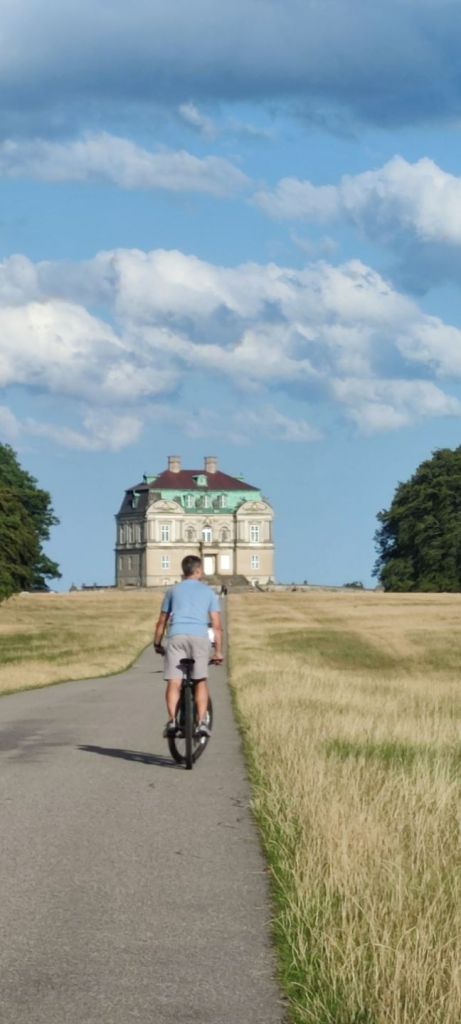
It is an extraordinary place for walking or cycling along its paths and trails. Ancient trees, wide open meadows and large herds of deer create a landscape that is difficult to forget. In the heart of the park stands Eremitage Palace, the former royal hunting lodge built in the 18th century.
The park itself has a fascinating history. It was opened to the public in 1756 and still preserves the character of the royal hunting grounds that once occupied this landscape.
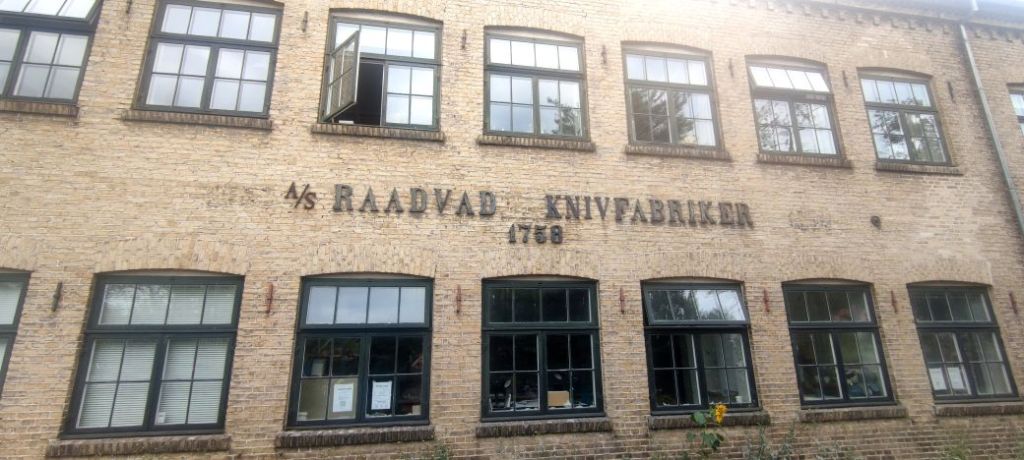
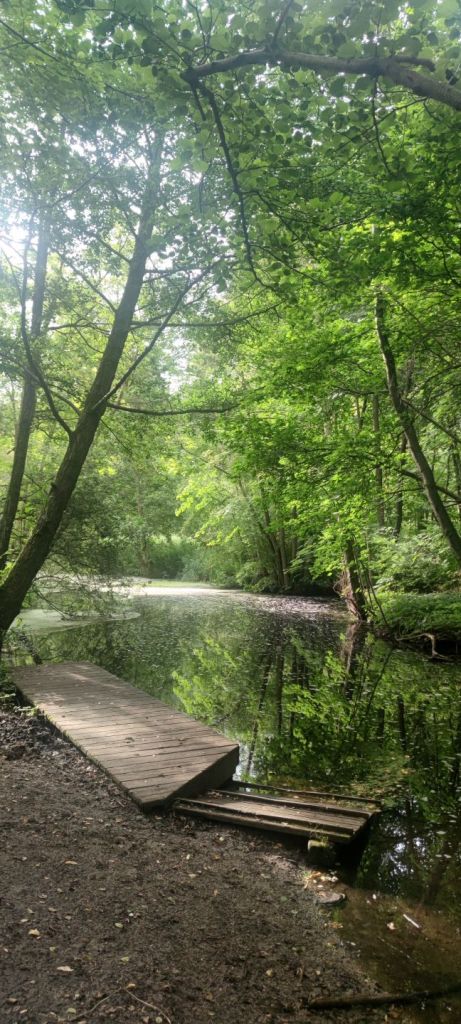
And then comes one final surprise: Raadvad, a historic industrial village nestled in the forest. Its industrial tradition is particularly associated with the production of knives and tools. The origins of the mill at Raadvad date back to the 17th century, and a small village eventually grew around the industrial works to accommodate its employees. Today, Raadvad is a charming place to explore while walking or cycling through the surrounding landscape. Its old industrial buildings, woodland setting and proximity to the deer park make it an ideal stop before finishing the journey.
TIPS:
- Go on a road trip to discover charming villages, nature and coastal landscapes.
- Explore Copenhagen by bike to discover its neighbourhoods, parks and harbours.
- Combine culture and nature by visiting Ribe, Roskilde, Møns Klint and Jægersborg Dyrehave.
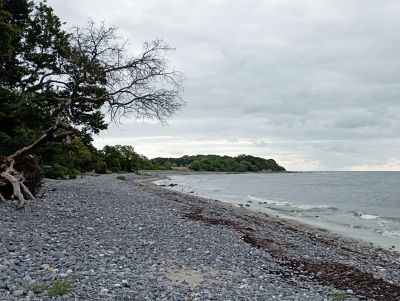
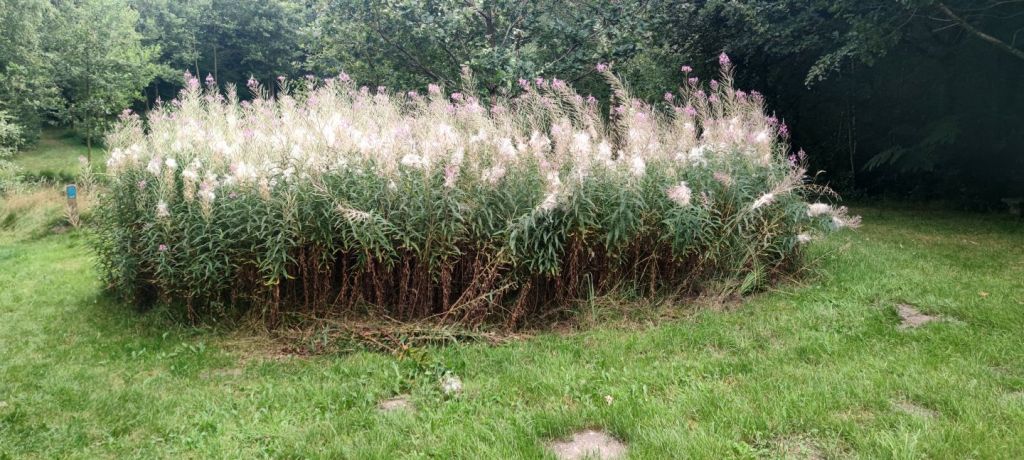
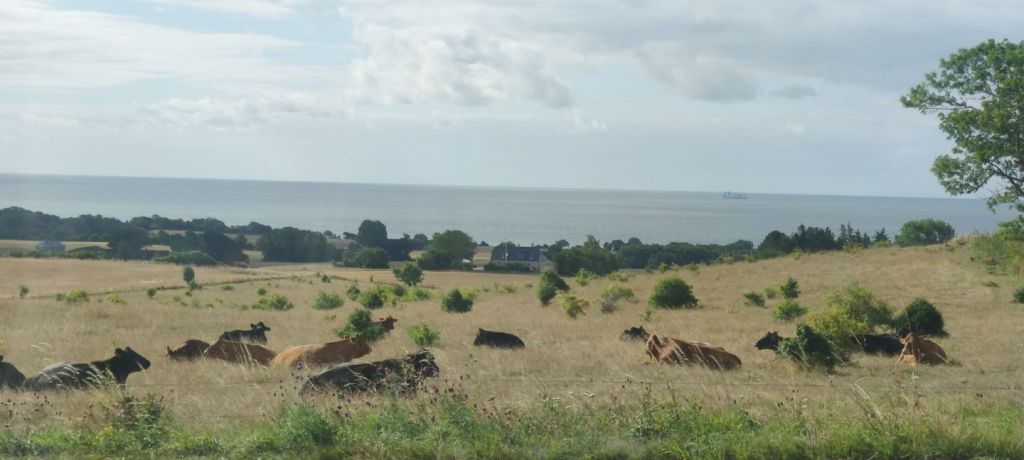
The road trip through southern Denmark therefore ends in the best possible way: surrounded by forests, deer, walking trails and historic industrial buildings. It is a journey that shows Denmark is much more than Copenhagen. It is also a country of medieval towns, extraordinary natural landscapes, Viking history and a wonderfully relaxed way of travelling that encourages you to slow down, explore and enjoy the road.


Que buenos momentos 😀
LikeLike